Tony Meléndez Español

Cruz Antonio “Tony” Meléndez Arroyo

Blind at 37. World champion at 47. Still lifting at 85.

Tony Meléndez grew up with asthma on a coffee farm in Ciales, Puerto Rico, made his first weights out of cement and milk tins, and lost his sight the year he turned 37. Then he became one of the strongest blind men in the world: five world powerlifting titles in the 148-pound class, every national championship he entered, and more than 1,000 pounds lifted in a single meet.

I don’t think blind. I don’t act blind. I don’t regret being blind.

Tony Meléndez, to the New York Daily News
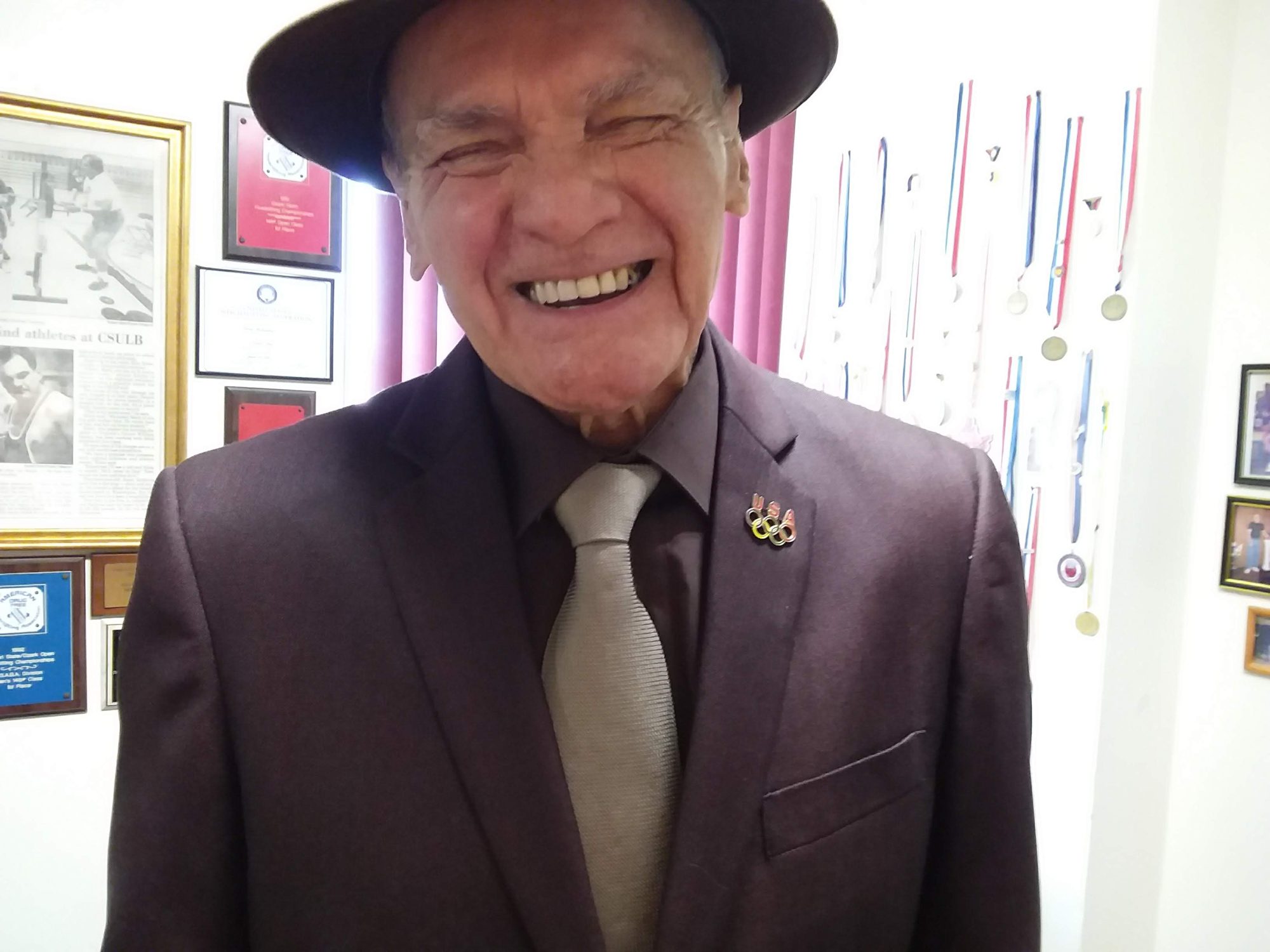
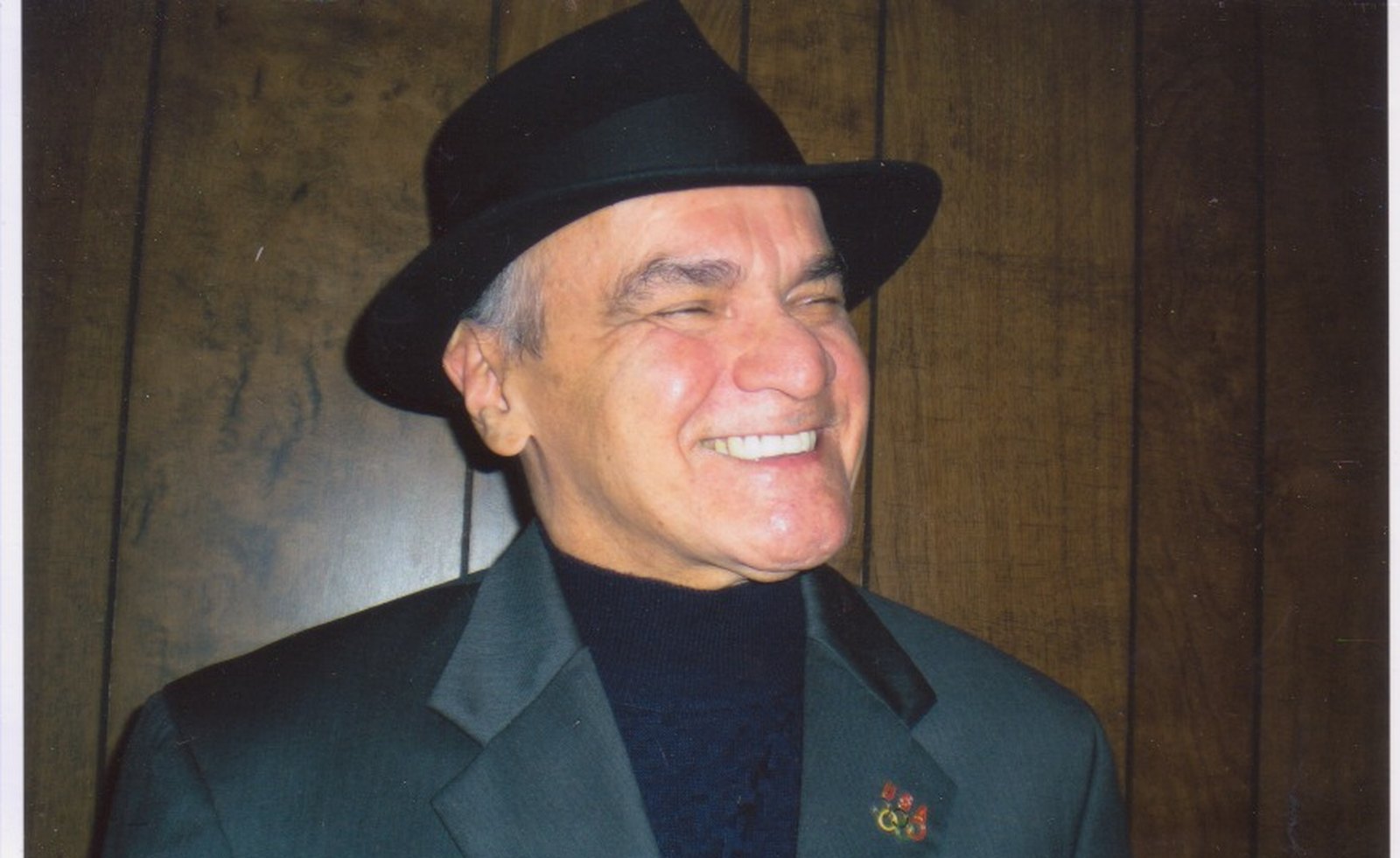
Tony Meléndez laughing, wearing a black fedora and a charcoal suit with a USA Olympic pin on the lapel.
5world championships, 1988–1995
148 lbweight class
1,000+ lbsquat, bench and deadlift total
1941born in Puerto Rico
1980fully blind
85years old, and still training

His story

Much of what follows is in Tony’s own words, from the account he gave to the Ciales community site Diáspora Cialeña in 2001, and from three decades of newspaper interviews.

A boy in Jaguas

Cruz Antonio Meléndez Arroyo was born on May 3, 1941 — the Day of the Cross, which gave him his first name — at the Presbyterian Hospital in San Juan, and was registered ten days later in Ciales, where his family came from. His father, Víctor Meléndez, cut cane and coffee on the Lopategui estate in Barrio Jaguas; his mother, Carmen María Arroyo, was already losing her sight to retinitis pigmentosa, the hereditary disease Tony would inherit.

“I took my father his lunch in the cane field in a tin pail,” Tony remembers. After twelve hours in the field, Víctor planted corn and burned charcoal to pay for his wife’s treatment in San Juan. Tony, asthmatic from the smoke of the charcoal pits, bounced between school and the hospital. He sat in the front row because he could not read the blackboard, and the baseball hit him in the head because he could not see it coming. He never finished school.
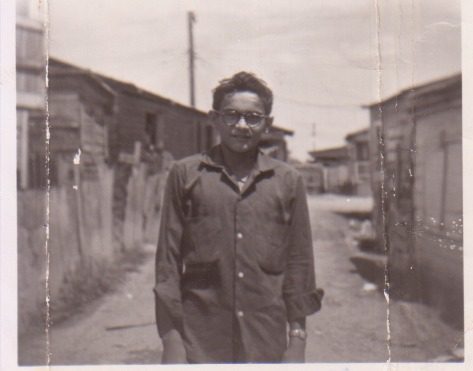
Tony as a teenager standing in a dirt lane between wooden houses in El Fanguito, Santurce, 1958.
Tony in El Fanguito, Santurce, March 21, 1958.

Cement weights in El Fanguito

In 1956 the family moved to El Fanguito, the shantytown on the mangroves of Santurce, where the house kept sinking and the black water made his asthma worse. One day, after a bad attack, he dragged himself to a pharmacy on Avenida Ponce de León — and next to the asthma pills he saw a Charles Atlas booklet with pictures of Steve Reeves. He hid it from his mother and bought every one he could find.

The gym of Robert Santana, a former Mr. Puerto Rico, turned him away at the door for being too skinny. So Tony and the neighbor’s sons built their own: Sultana cake tins filled with cement around a pipe for a barbell, Denia and Kresto milk tins on broomsticks for dumbbells, benches and racks nailed together from scrap wood. They trained every day from one to three. Six months later the asthma had eased and, in his words, “I felt like Superman.” He went back to Santana’s gym, took off his thick glasses before walking in, and this time they let him pay the five dollars a month.
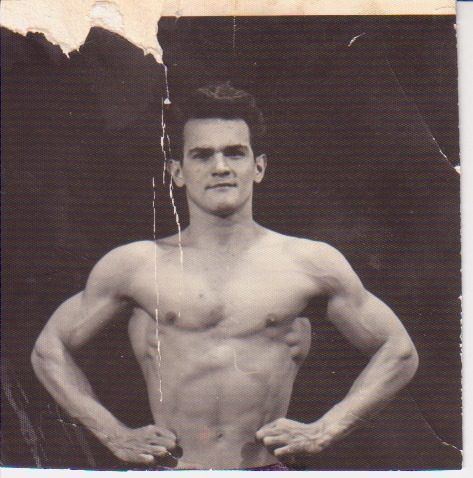
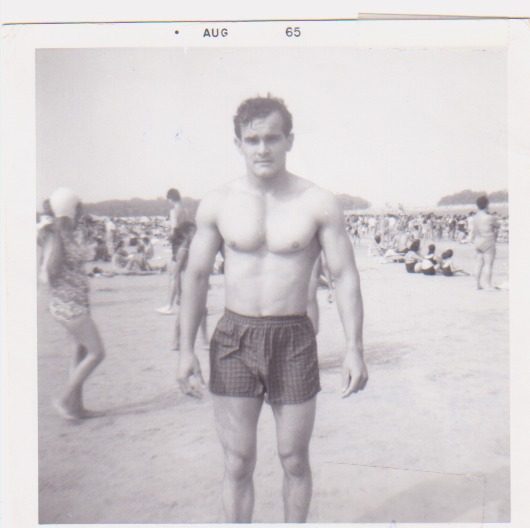
A young, muscular Tony Meléndez flexing in a classic bodybuilding pose, black-and-white photograph.
The results of the homemade gym: Tony as a young bodybuilder in Santurce.

New York, and the darkness closing in

In 1961 his brother Adalberto wrote from New York, and Tony went: West 36th Street in the Garment District, then East 112th Street in El Barrio, where the family followed. He worked at the YMCA on Seventh Avenue, in the garment factories, and finally the night shift waxing floors at a Food Parade supermarket in Queens. He married, and two daughters were born. Both would inherit his eyes.

On the night shift he quietly taught himself to price, stock and run a section of the store, until a security guard caught him working out of turn — and management, impressed, moved him to days. By 1972 he was manager of the Key Food on 110th Street, earning enough to take his family to Europe and Mexico. He was also, by then, nearly blind, hiding it behind thick lenses and paying an assistant out of his own pocket to read the paperwork.
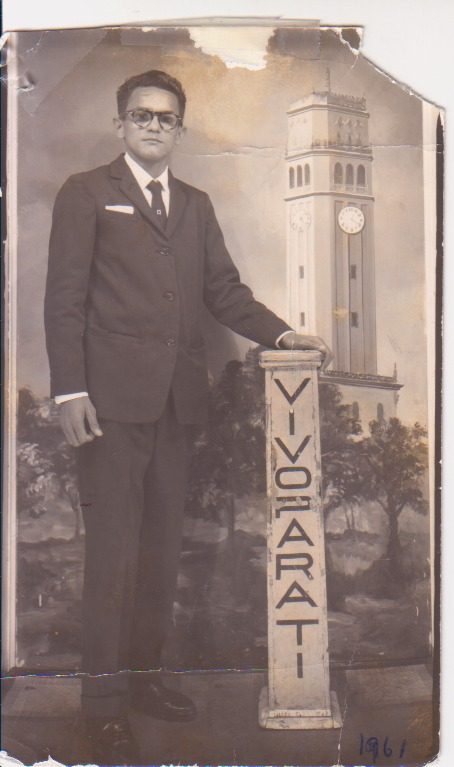
Tony Meléndez in a dark suit and glasses beside a sign reading Vivo Arati, with a clock tower behind him, 1961.
Twenty years old, the year he left for New York, 1961.

The night at Key Food

In 1976 the company sent him to rescue a struggling store on West 20th Street in Chelsea. One evening a man walked in, put a pistol to the back of Tony’s neck and ordered him to open the safe. Tony could not see the dial. The man screamed that he would kill him. Then Tony heard the click behind his head: the gun had jammed. A moment later, by feel, the safe opened; the robber took the money and left. Tony knelt beside the safe and cried. “God was with me that night,” he told the Daily News years later.

He retired on disability in 1977. “At 37, I left behind my sighted life,” he said. “I closed that book and opened another, the life of darkness.” By 1980 he could see nothing at all. He jogged in Central Park until he kept colliding with people, then climbed the stairs of his building from the basement to the roof, over and over, because it was the one thing he could do alone.
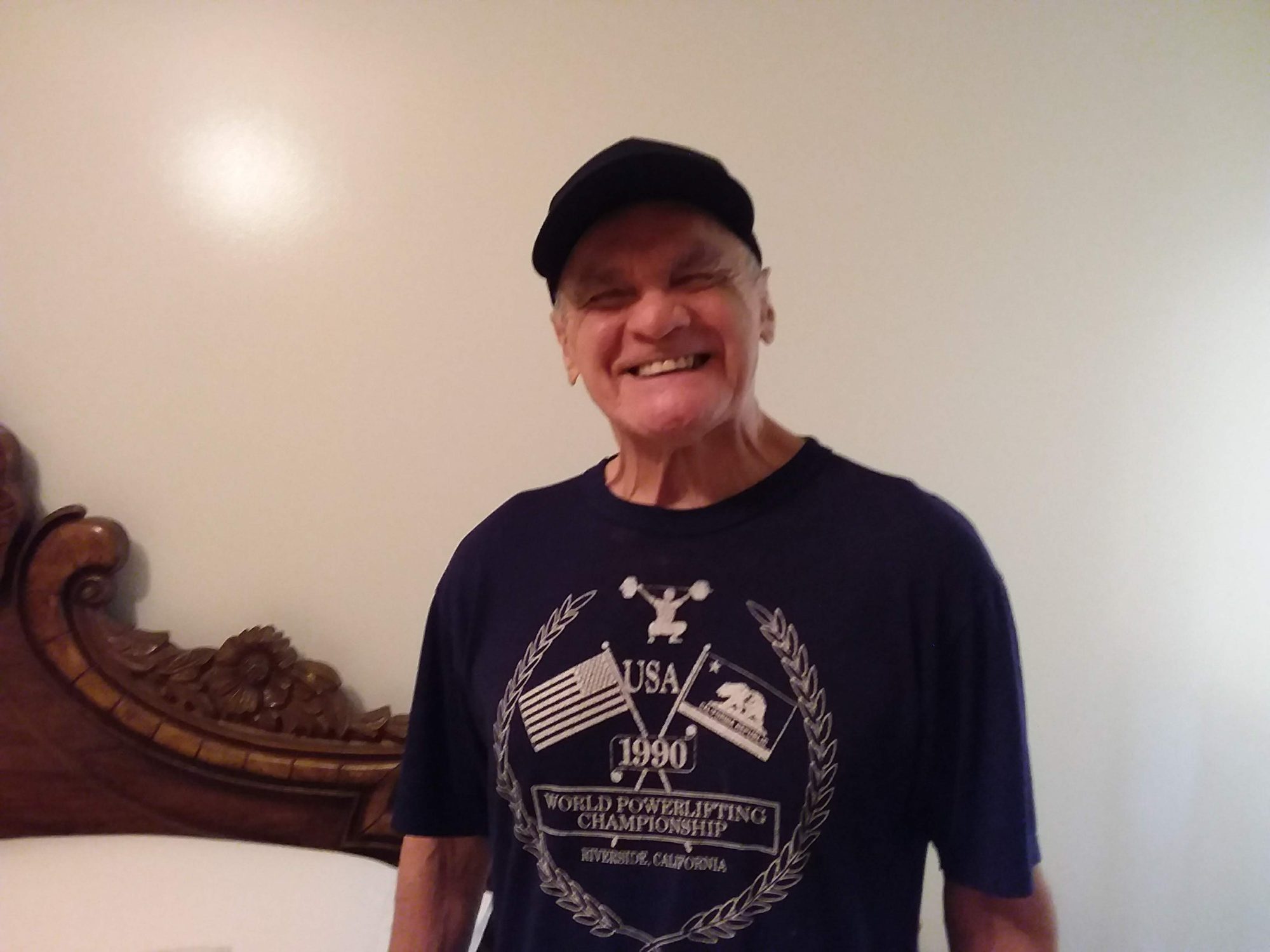
Tony Meléndez in a navy 1990 World Powerlifting Championships T-shirt, smiling, wearing a cap.
Thirteen years after that night: wearing the shirt from his 1990 world title.

The gym at 1199 Plaza

In 1981 Tony moved into the 1199 Plaza cooperative at 2110 First Avenue, on the corner of 108th Street. “When I moved to 1199, I was depressed,” he said. “Then they opened a gym here. That was like a blessing to me.” He trained five hours a day. There he met a lifter named Troy Ford, who told him something he had never heard: there were powerlifting competitions for the blind.

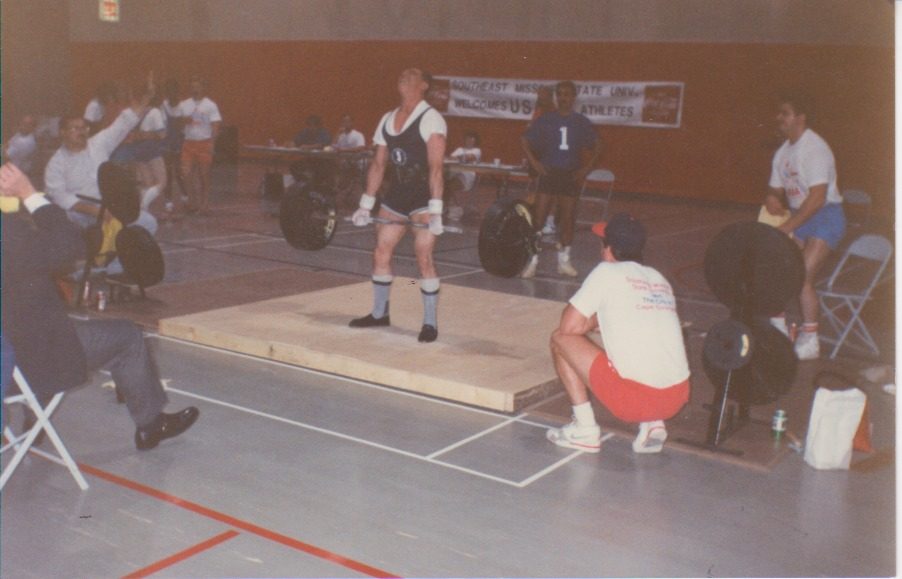
A counselor at the Lighthouse pointed him to the United States Association of Blind Athletes. In 1985, at Montclair State University in New Jersey, with Troy beside him, Tony entered his first meet and came home with his first medal. He was 44. The next year in Long Beach, California, he won gold and set four national records. “I was still a rookie,” he said, “but I made those numbers.”
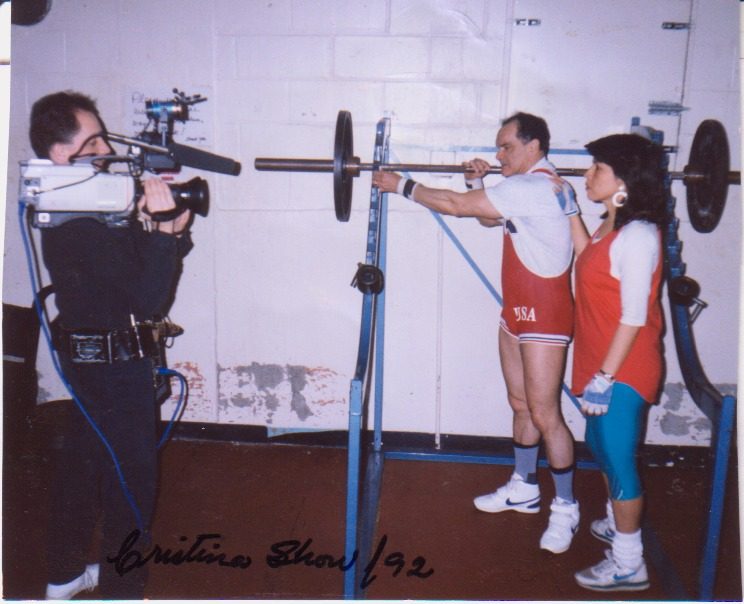
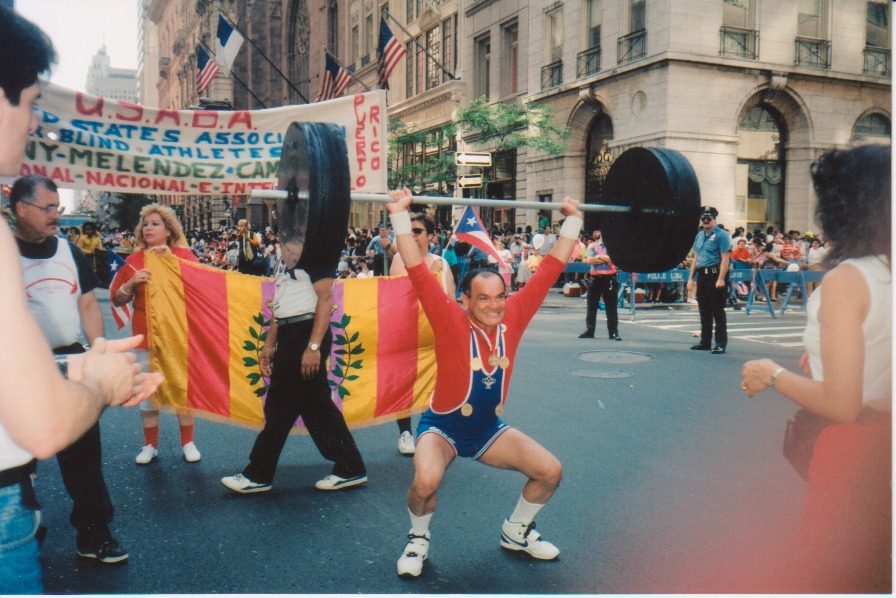
Tony Meléndez squatting a loaded barbell in a red singlet while Zobeida spots him; a TV camera films, 1992.
Training with Zobeida for the Cristina Show, 1992.

Champion of the world

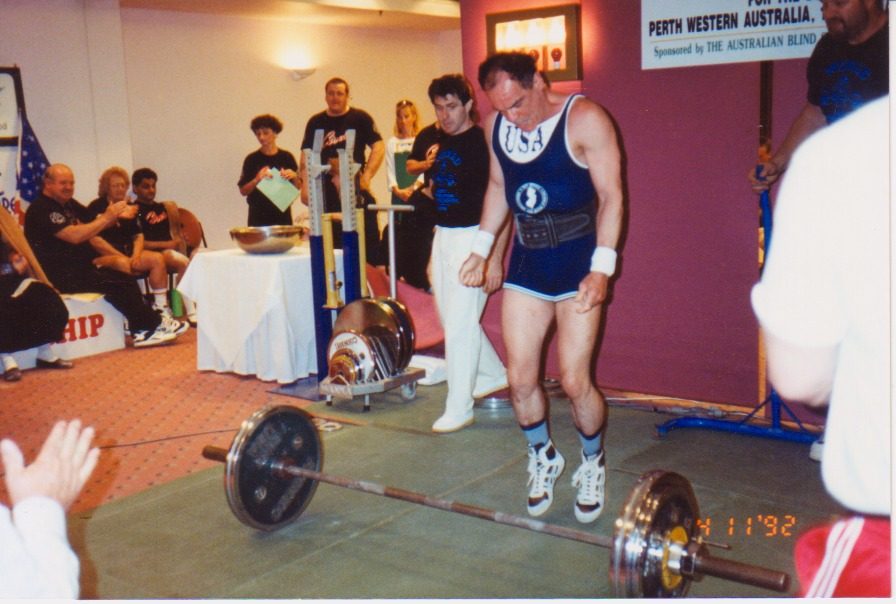
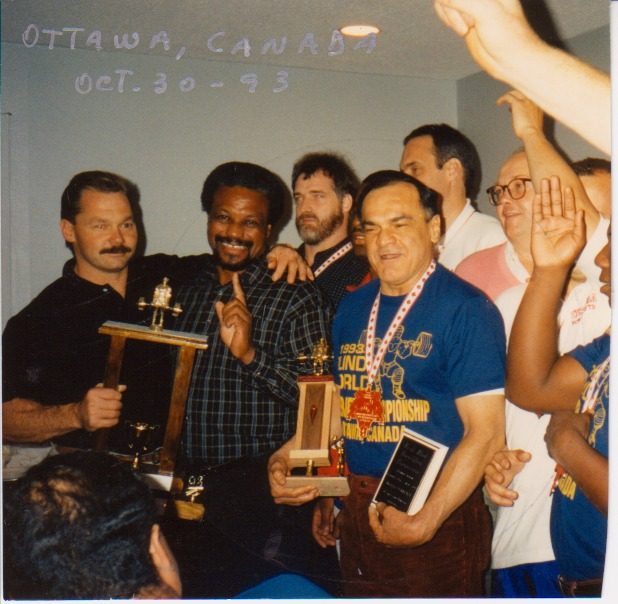
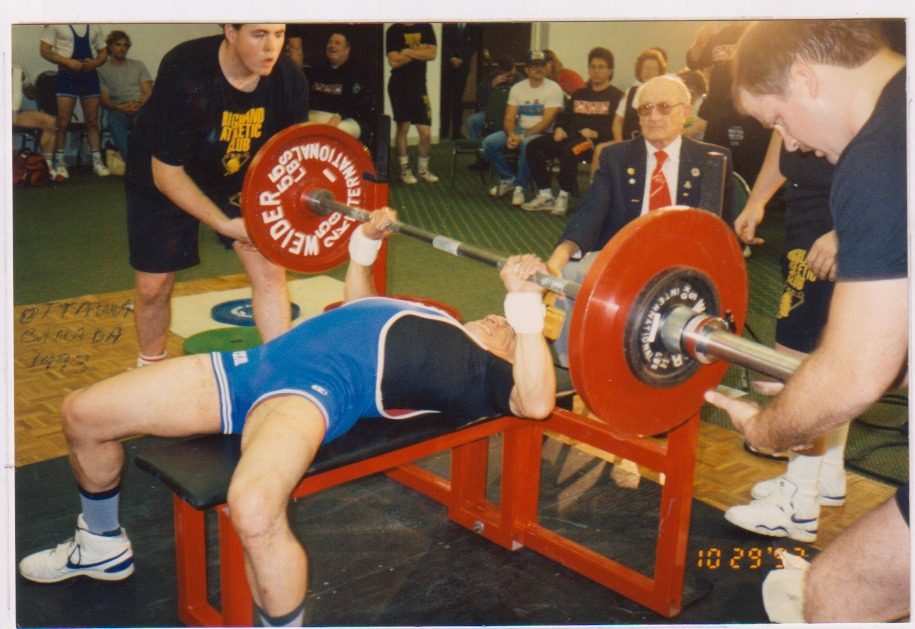
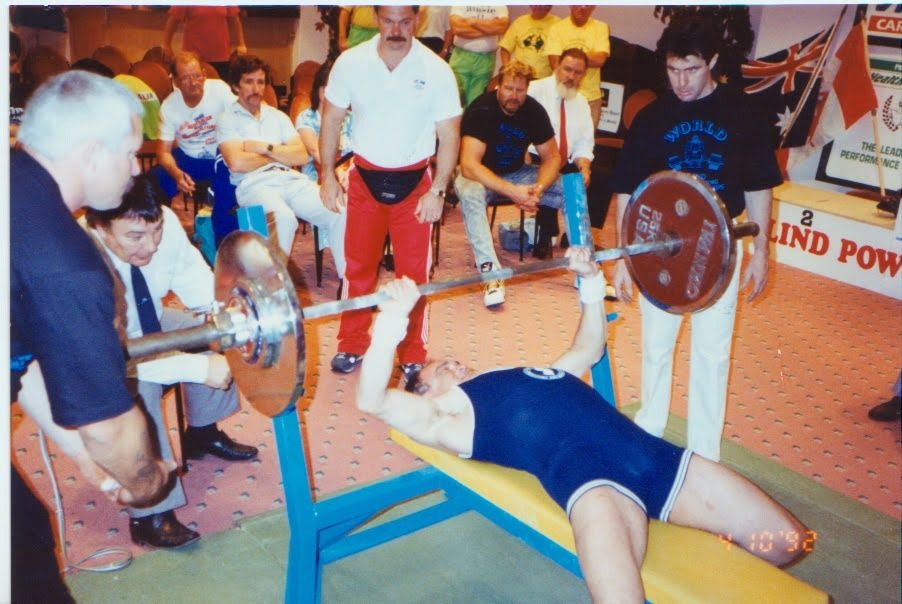
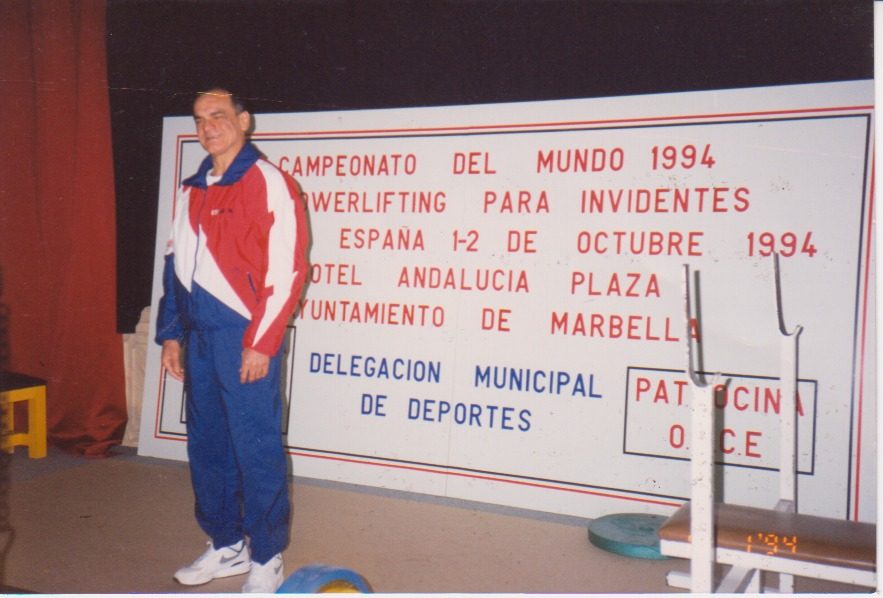
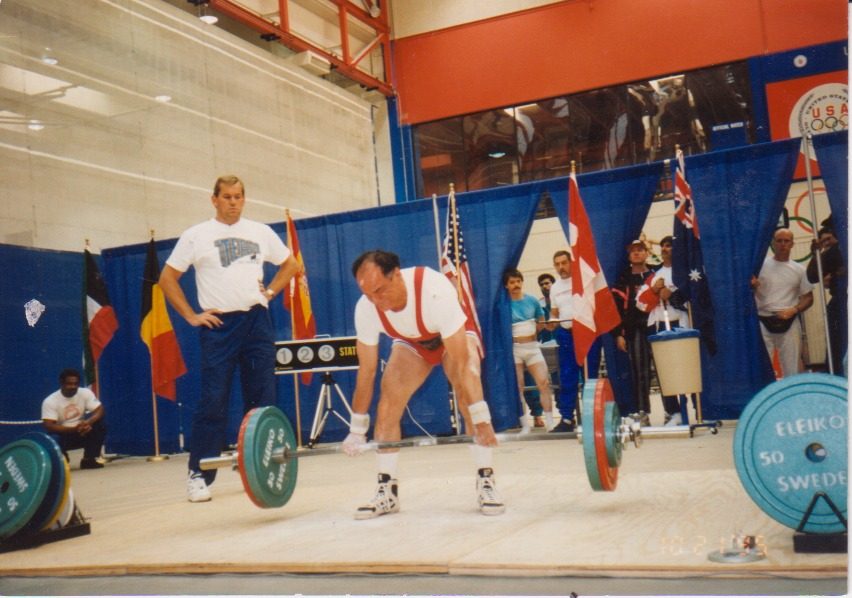
In 1987 he competed internationally for the first time, in Canada, and won the open division against sighted and blind lifters alike. Then the world titles came: Ottawa in 1988, Riverside in 1990, Perth in 1992, Marbella in 1994, Colorado Springs in 1995. In the 148-pound class, past the age of fifty, asthmatic and totally blind, he squatted 400 pounds, benched 285 and pulled 402 — more than a thousand pounds in a meet. In 1991 he lifted that thousand with Vice President Dan Quayle watching, and was handed two gold medals.

“The word stop doesn’t enter his vocabulary,” said Matt Wahlig, the USABA powerlifting coach. Tony trained four times a week, three hours at a stretch, skipped rope, climbed 32 flights of stairs, and routinely out-lifted men half his age who could see the bar. He has won every national championship he ever entered.
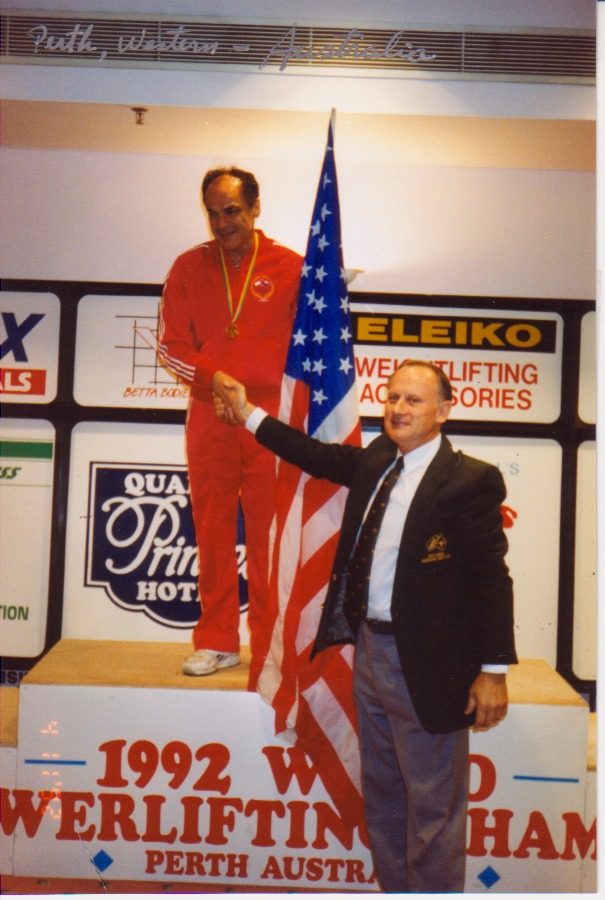
Tony Meléndez standing on the top step of the podium holding the American flag at the 1992 World Powerlifting Championships in Perth, Australia.
Top of the podium, World Championships for the Blind, Perth, Australia, 1992.

“She’s my eyes”

In 1987 a friend from the gym took Tony to meet a couple in Brooklyn — she from Ecuador, he from Ponce. Her sister, a teacher in Ecuador, was coming to New York for the holidays. Her name was Grecia Zobeida Ronquillo. They married before a judge in 1988 and in the Catholic Church on April 15, 2001.

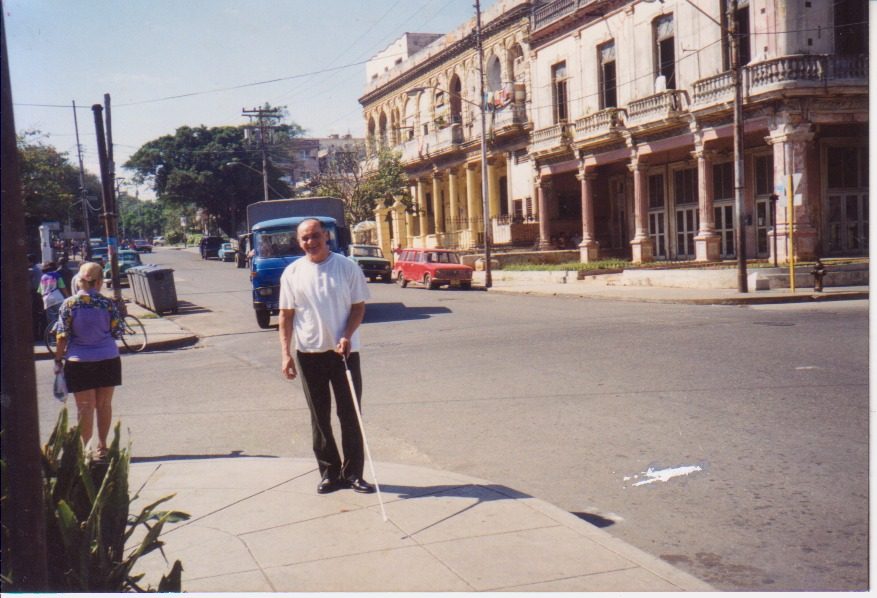
Zobeida became his trainer. She has stood beside the bar at every competition since, read him the scoreboard, walked him through strange cities on five continents, and translated the official blind powerlifting coaching manual into Spanish so that Cuba could start a program. “I know my wife is beautiful,” Tony says, “not because I see her with my eyes, but by the way she treats people.” And, more simply: “She’s my eyes.”
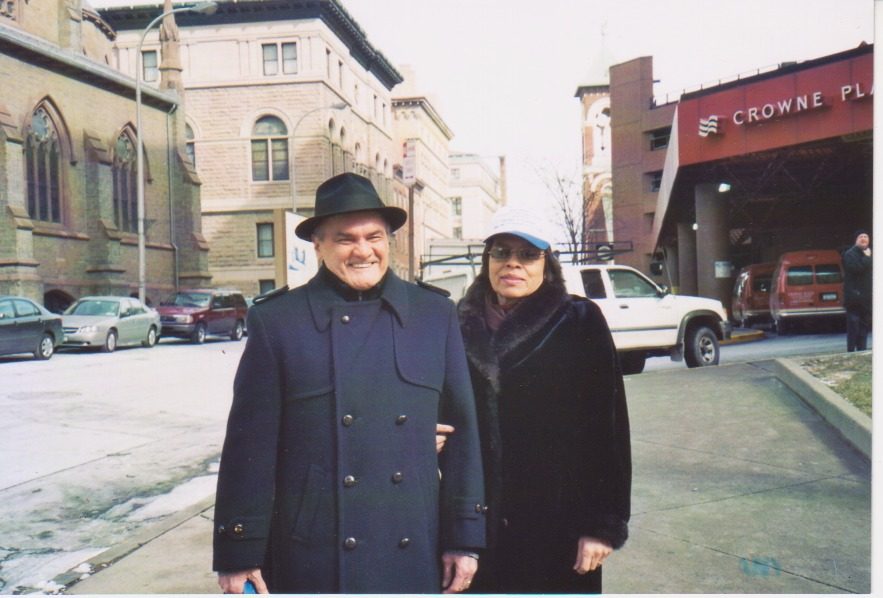
Tony and Zobeida Meléndez walking arm in arm on a city sidewalk in winter coats and hats.
Tony and Zobeida.

Ciales calls him Immortal

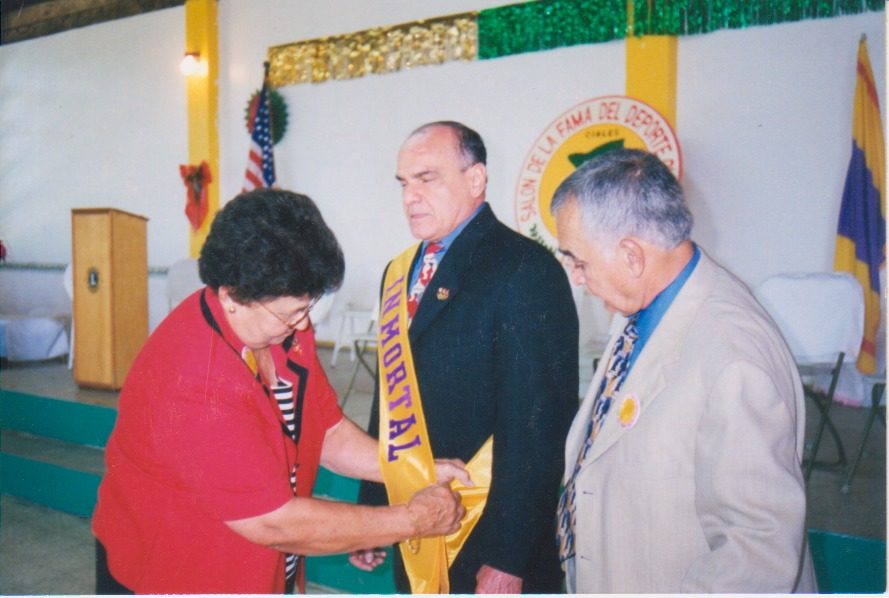
After every winning lift, Tony shouted the same two words from the platform: “¡Viva Ciales!” On November 25, 2001, the town answered. At the Lions Club in Ciales he was inducted into the Salón de la Fama del Deporte Cialeño, draped in the sash of an Inmortal, and handed a plaque from the Secretary of Sports of Puerto Rico and a resolution of the Senate of Puerto Rico. He now shares that Hall with the basketball great Pachín Vicéns and Yankees pitcher Ed Figueroa.

He has carried his story to schools, hospitals, prisons, radio stations and churches across the United States and the world; to the Pope’s Masses in Havana and Santa Clara in 1998; to Jerusalem, to Hawaii, to his family in Río Piedras. For more than thirty years he served on the board of the 1199 Plaza Housing Corporation — the longest-serving board member in its history — and on the community advisory board of Metropolitan Hospital.
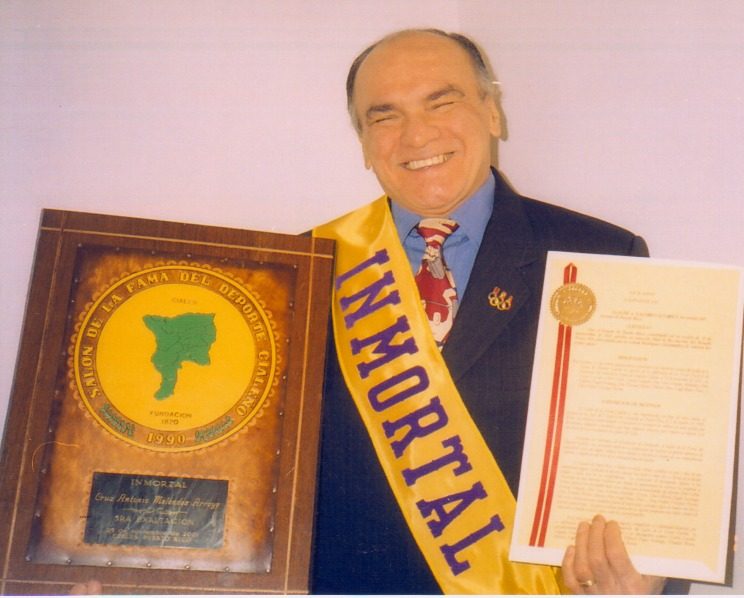
Tony Meléndez beaming in a suit and a gold sash reading INMORTAL, holding a plaque and a framed resolution.
Inducted into the Ciales Sports Hall of Fame, November 25, 2001.

Still lifting

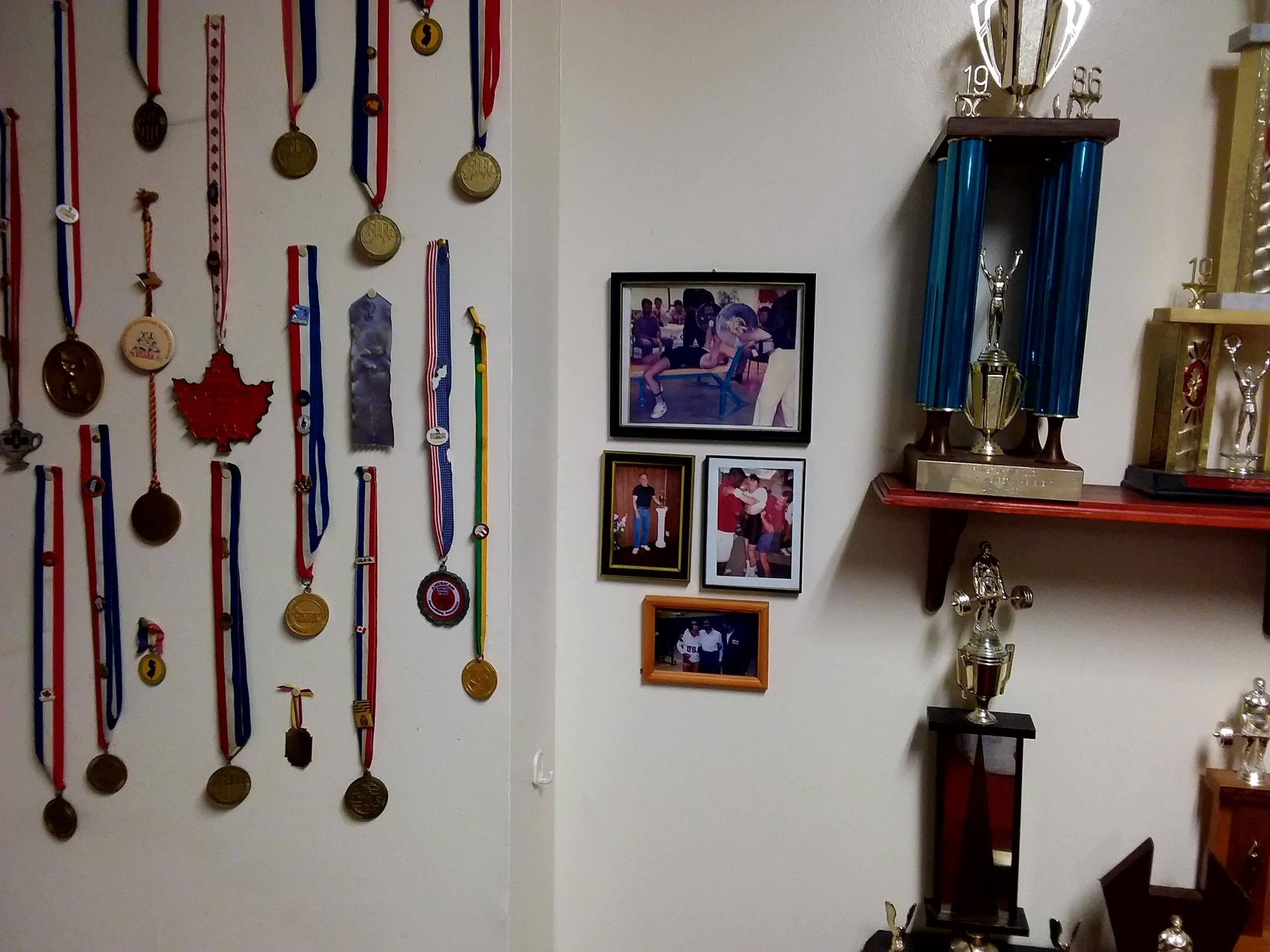
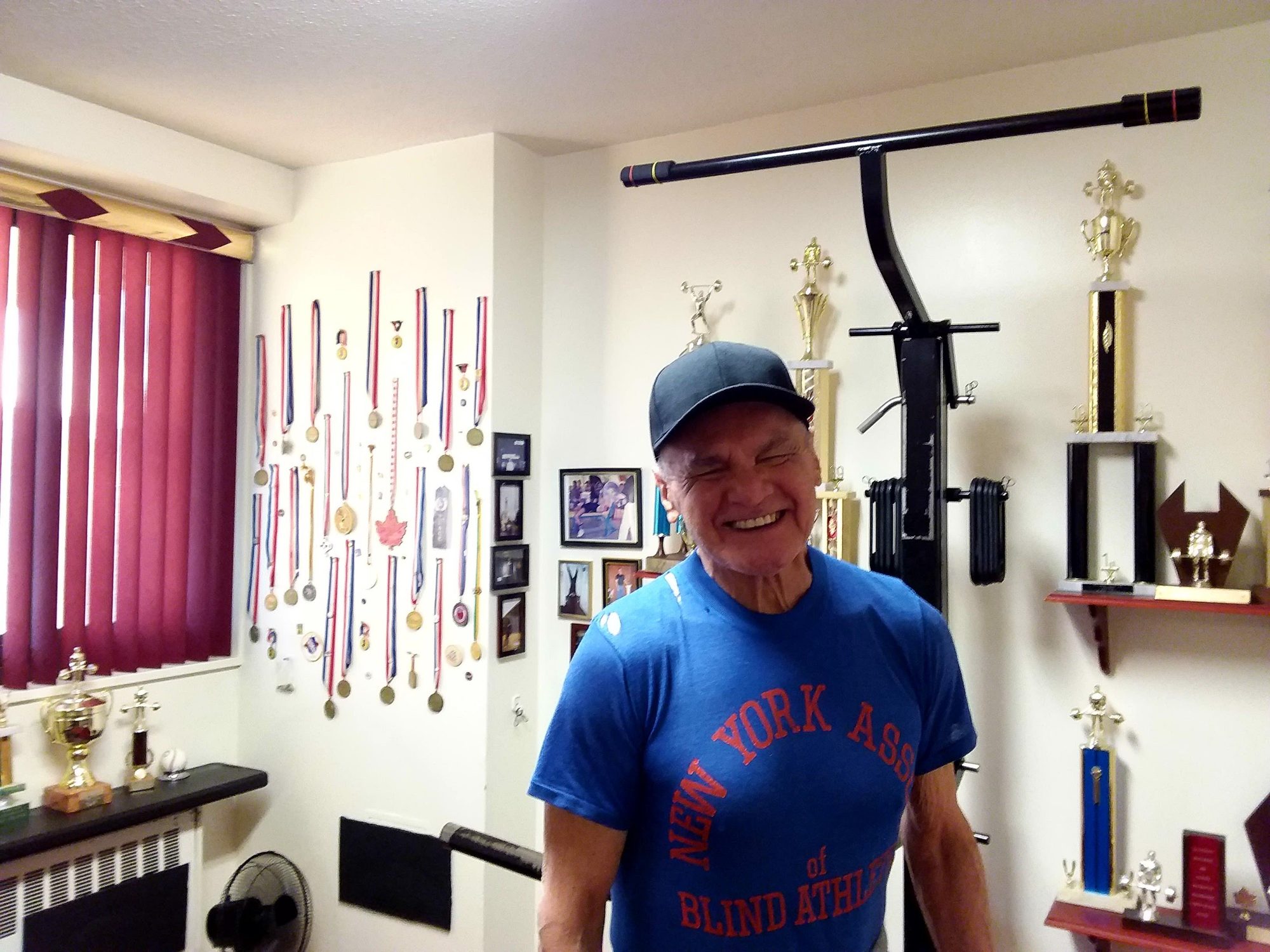
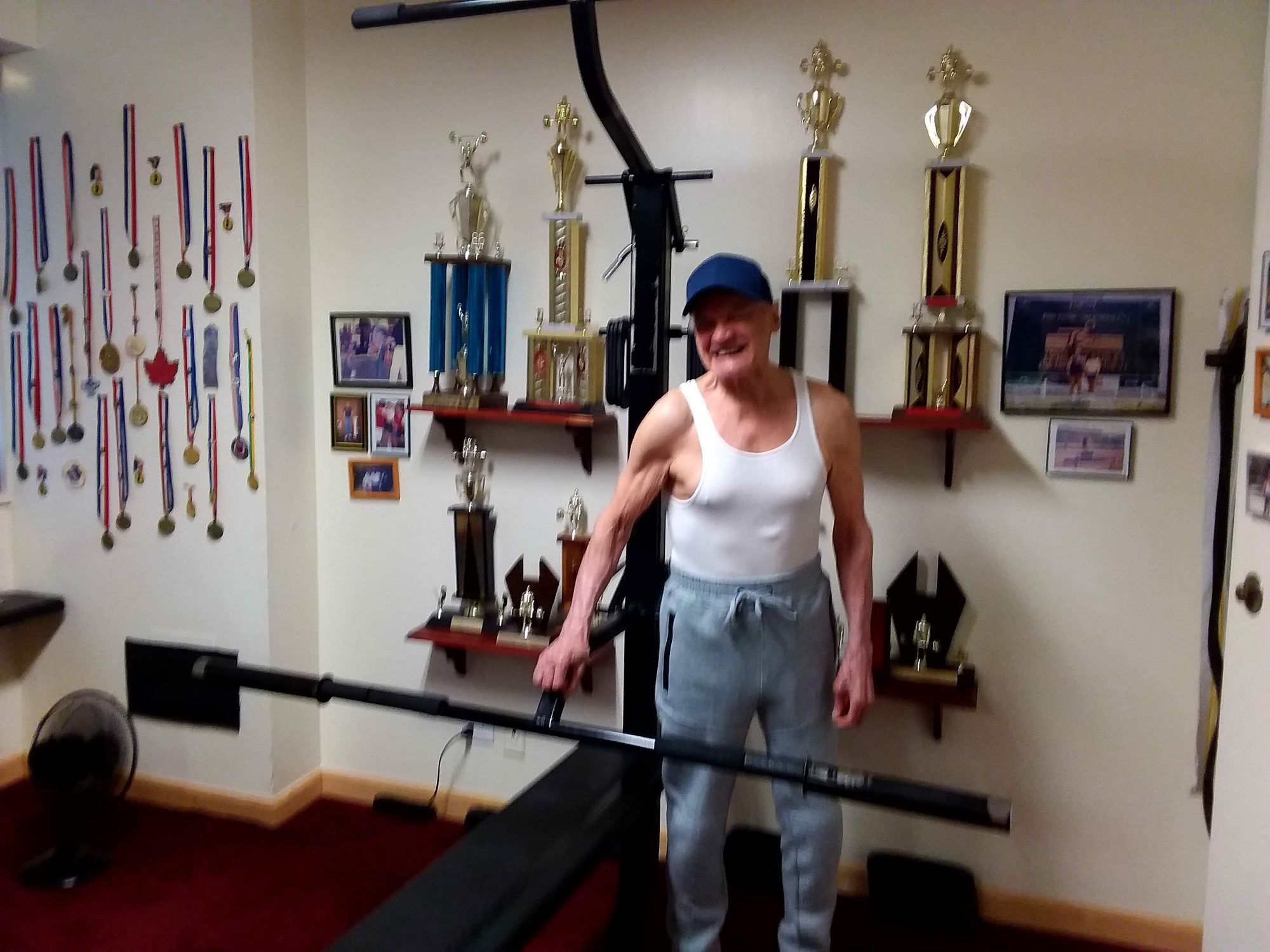
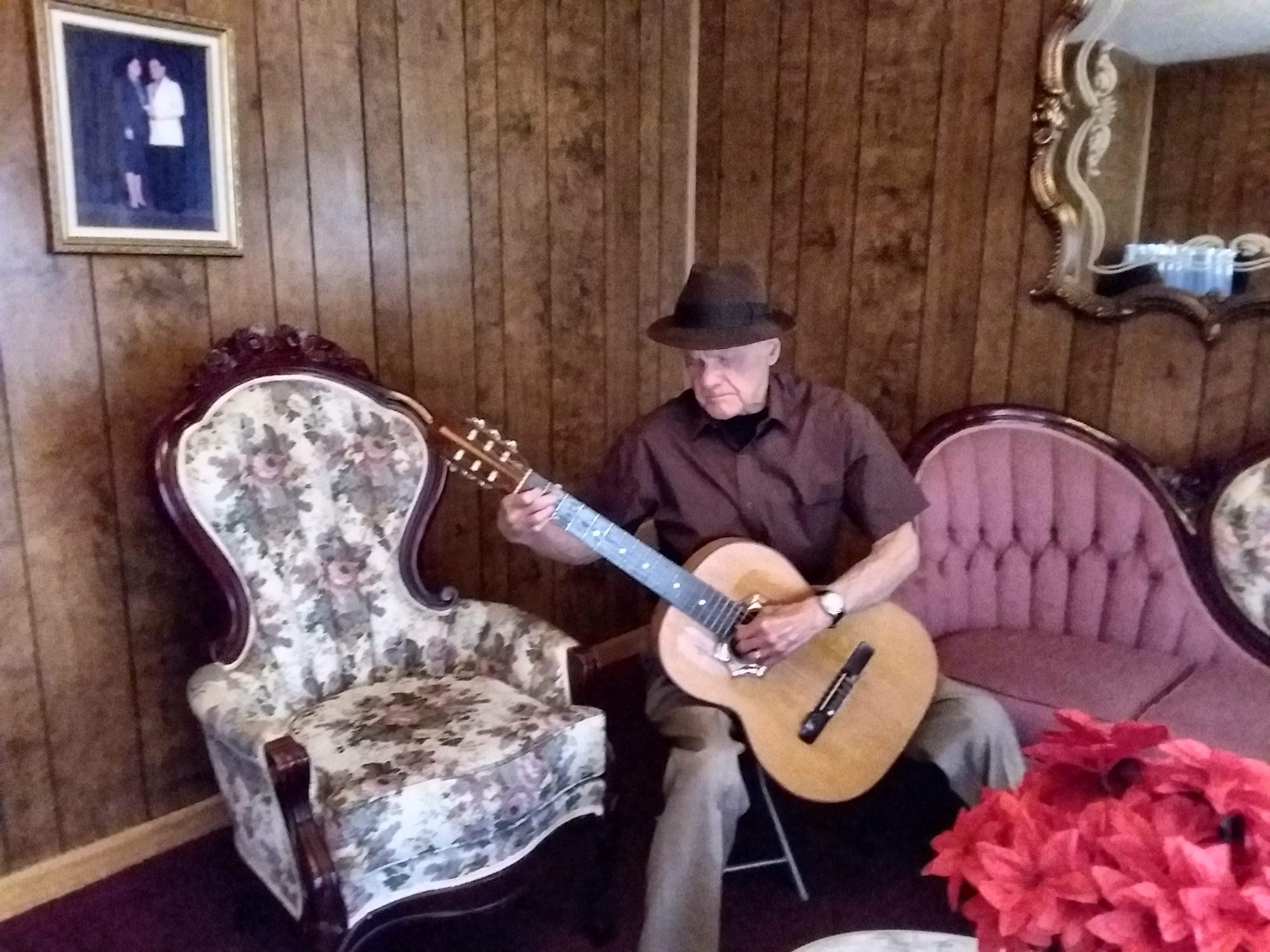
Tony is 85. He still trains most mornings in the apartment on First Avenue, under a wall of medals and a curtain of ribbons, with Zobeida nearby. He still plays the guitar he taught himself after going blind, and still sings to her.

“My life is a book with two parts,” he wrote: “the one when I could see, and the one in the world of darkness. If you ask me which of those two lives I prefer, I could not answer you. I have been happy in both.”
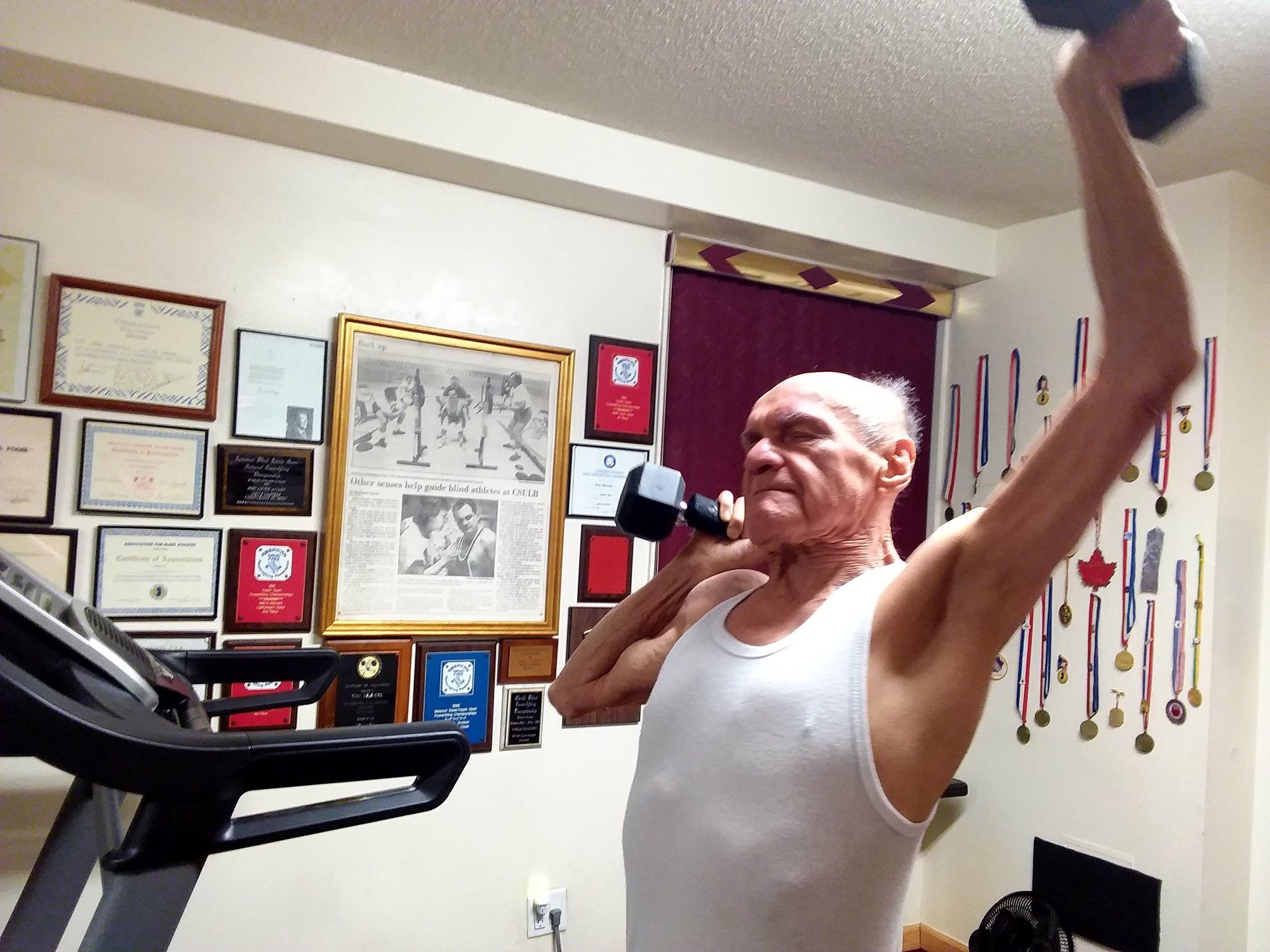
Tony Meléndez at 84, in a white tank top, pressing dumbbells overhead in his home gym, medals hanging behind him.
Morning training at home in East Harlem, January 2026.

Championships

First-place finishes in the 148-pound class, as listed by Tony in 2001. World championships are marked.

YearTitleWhere
1985Regional ChampionshipMontclair State University, New Jersey
1986National ChampionshipLong Beach / UCLA, California — gold and four national records
1987International open, first international meetCanada
1987American ChampionshipAlbuquerque, New Mexico
1988National ChampionshipPurdue University, Indiana
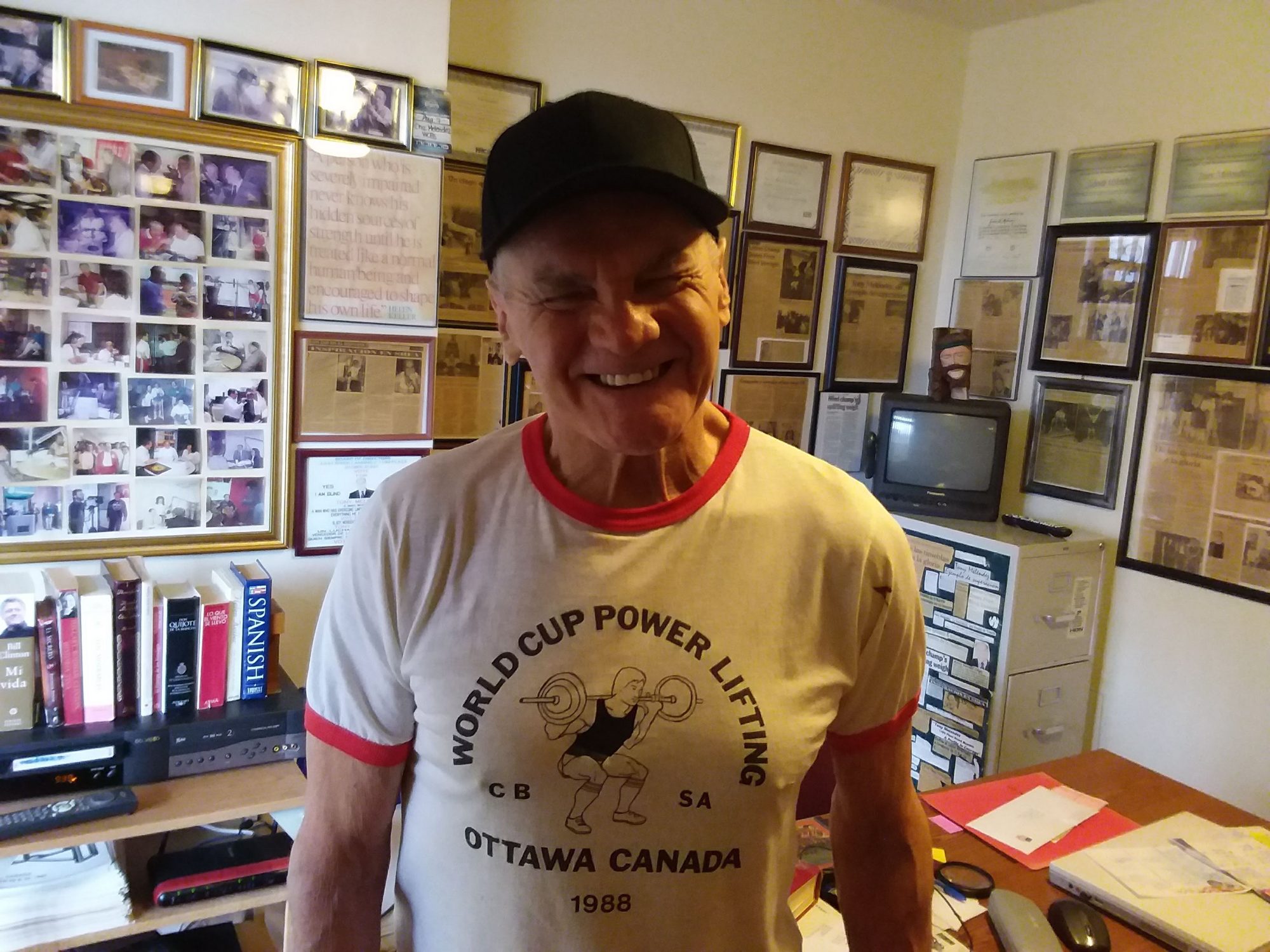
1988World Championship (world championship)Ottawa, Ontario, Canada
1989Regional ChampionshipSoutheast Missouri State University
1990World Championship (world championship)Riverside, California
1990American ChampionshipColorado Springs, Colorado
1991Regional ChampionshipHofstra University, New York
19911,000-pound total before Vice President Dan Quayle — two gold medalsUSABA National Games
1992Missouri State / Ozark Open — 148 lb open class, first placeMissouri
1992World Championship — Champion of Champions (world championship)Perth, Australia
1992Canadian Blind Sports National Championship — Best Lifter, MastersSudbury, Ontario
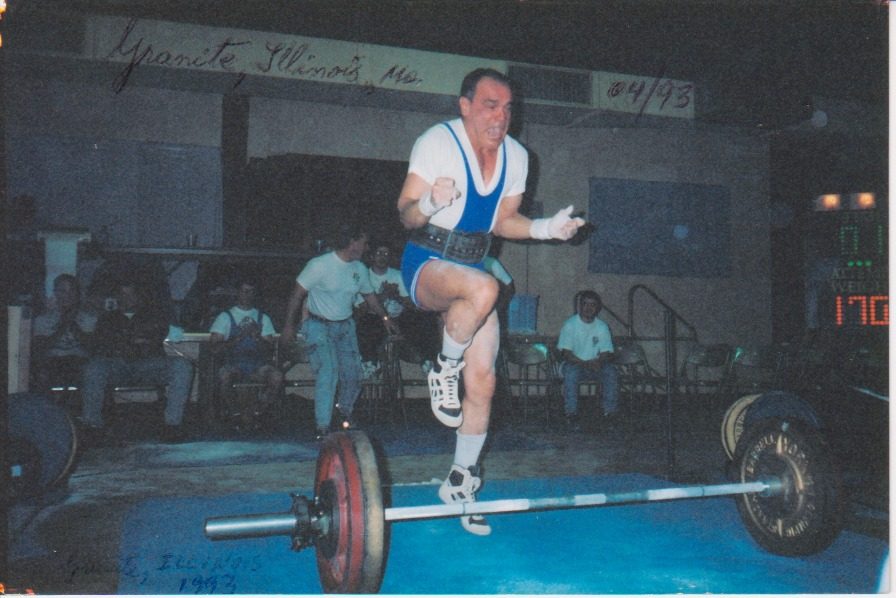
1993Steeler OpenGranite City, Illinois
1994Open ChampionshipJ.F.K. High School, New York
1994World Championship (world championship)Marbella, Spain
1995World Championship (world championship)Olympic Training Center, Colorado Springs

Grecia Zobeida Ronquillo de Meléndez

Zobeida

Born in Ecuador, a schoolteacher, Zobeida came to New York for a holiday in 1987 and met a blind bodybuilder from El Barrio who was about to become a world champion. She has been his wife since 1988 and his coach, spotter, reader, navigator and translator at every meet since.

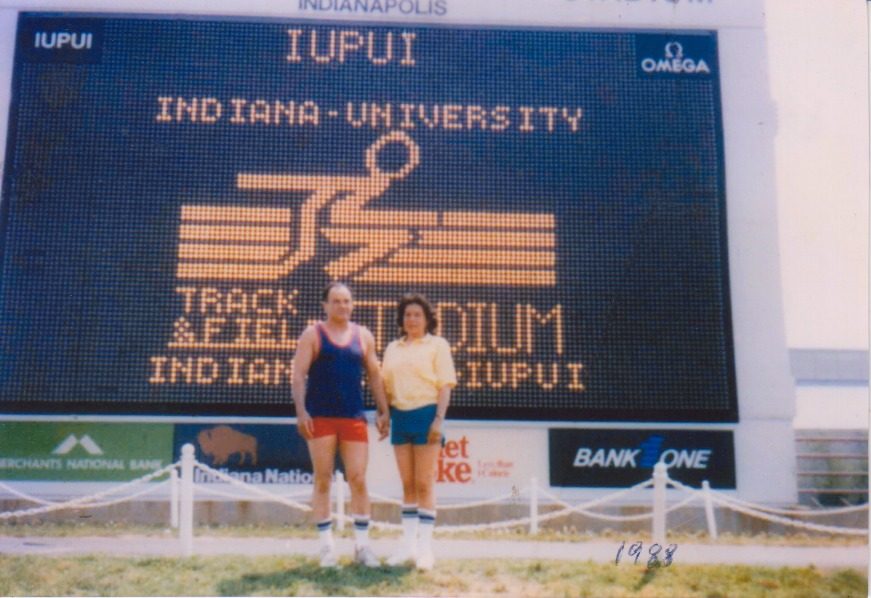
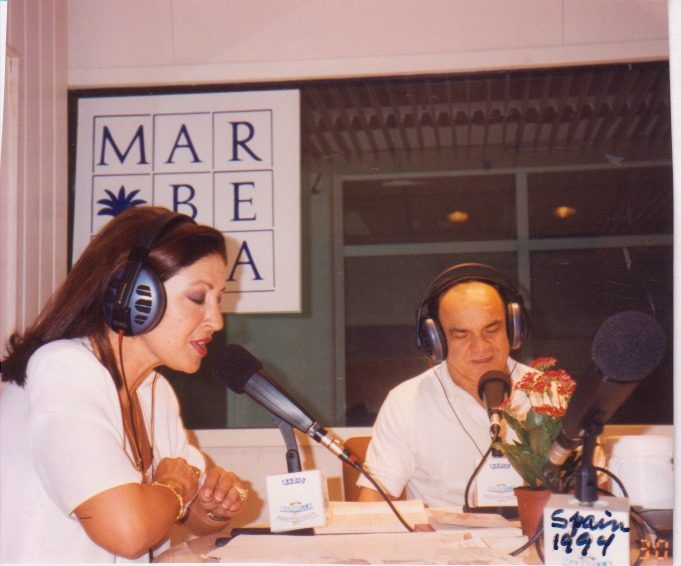
Every reporter who has visited the apartment on First Avenue has noticed the same thing: the quiet woman who moves the coffee cup before he reaches for it, who reads him the scoreboard in Indianapolis, who sat beside him on Spanish radio in Marbella. The 1992 Cristina magazine put it this way: “He is blind, but even so he is the one who guides and protects his wife.” Tony puts it the other way around. “God gave me back my sight through Zoby. She is my inspiration and the light of my eyes.”
In 1998 she translated the official blind powerlifting coaching manual into Spanish, so that the Cuban association for the blind could start a program of its own. In 1994 Marbella awarded her a diploma of her own for the World Championship. She asked for none of this. She wanted the world to know his story.

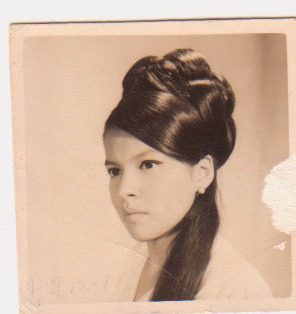
Studio portrait of a young Zobeida Ronquillo with long dark hair.
Zobeida, Ecuador.
Tony and Zobeida in front of the IUPUI track-and-field stadium scoreboard in Indianapolis.
Indianapolis — she reads him the scoreboard.
Zobeida and Tony wearing headphones at a radio station table in Marbella, Spain, 1994.
On Spanish radio, Marbella, September 1994.
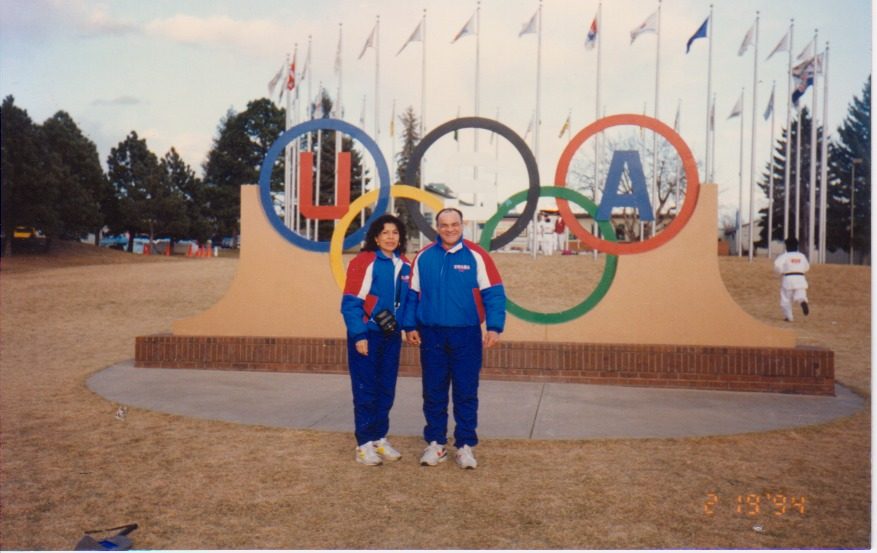
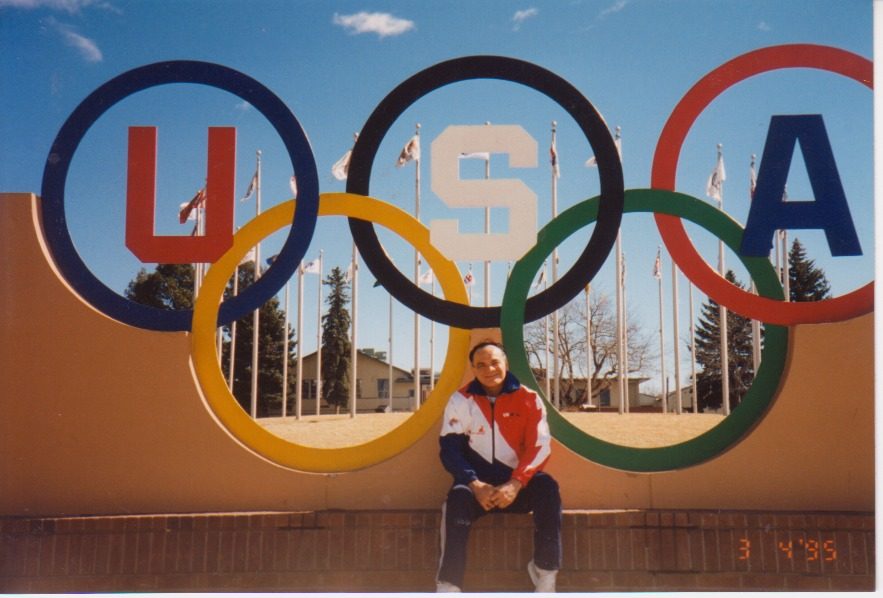
Tony and Zobeida standing in front of the USA Olympic rings sign in Colorado Springs.
Olympic Training Center, Colorado Springs.
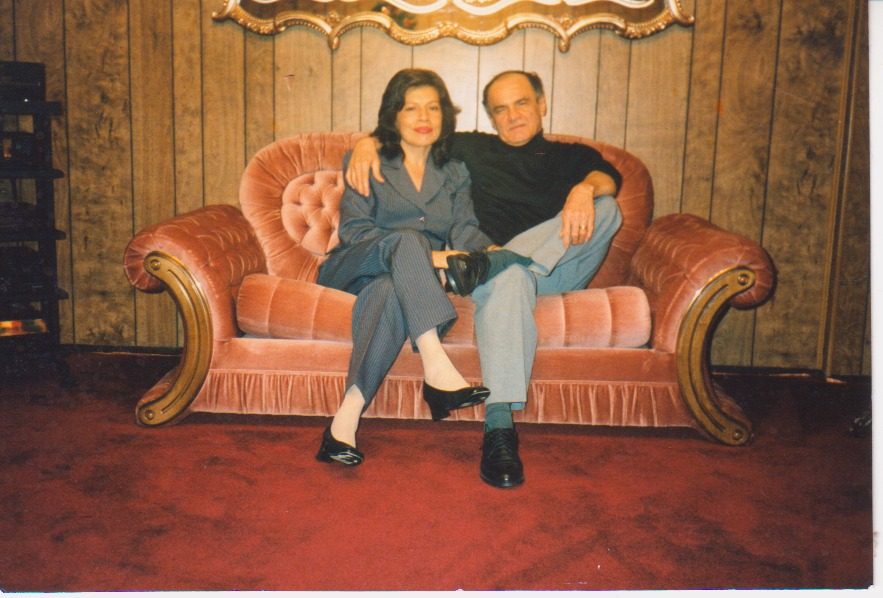
Tony and Zobeida sitting close together on a sofa, Tony in a dark turtleneck.
At home.
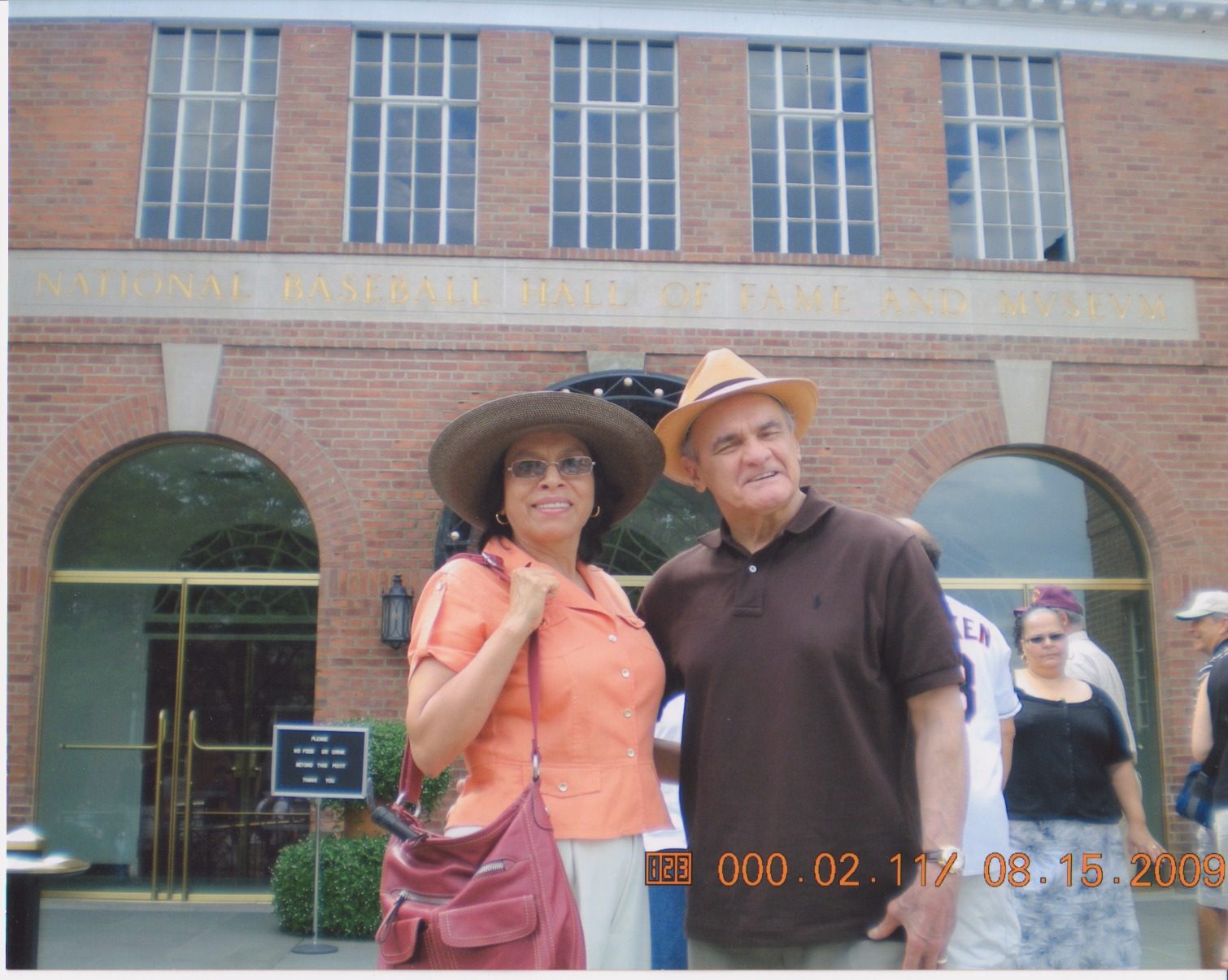
Tony and Zobeida in hats outside Yankee Stadium on a sunny day.
Yankee Stadium, 2009.

Honors

  • Salón de la Fama del Deporte CialeñoInducted as an Inmortal, November 25, 2001, Ciales, Puerto Rico
  • Resolution of the Senate of Puerto RicoPresented by Senator Maribel Rodríguez, 2001
  • Plaque of the Secretary of Sports of Puerto RicoPresented by Georgi Rosario, 2001
  • Champion of ChampionsWorld Championships for the Blind, Perth, Australia, 1992
  • Best Lifter, Men’s MastersCanadian Blind Sports Association National Championship, Sudbury, 1992
  • Two gold medals from Vice President Dan Quayle1,000-pound total, 1991
  • Sports Salute AwardInternational Blind Sports Federation, for contributions to the sport of powerlifting
  • Letter from the White HousePresident Ronald Reagan
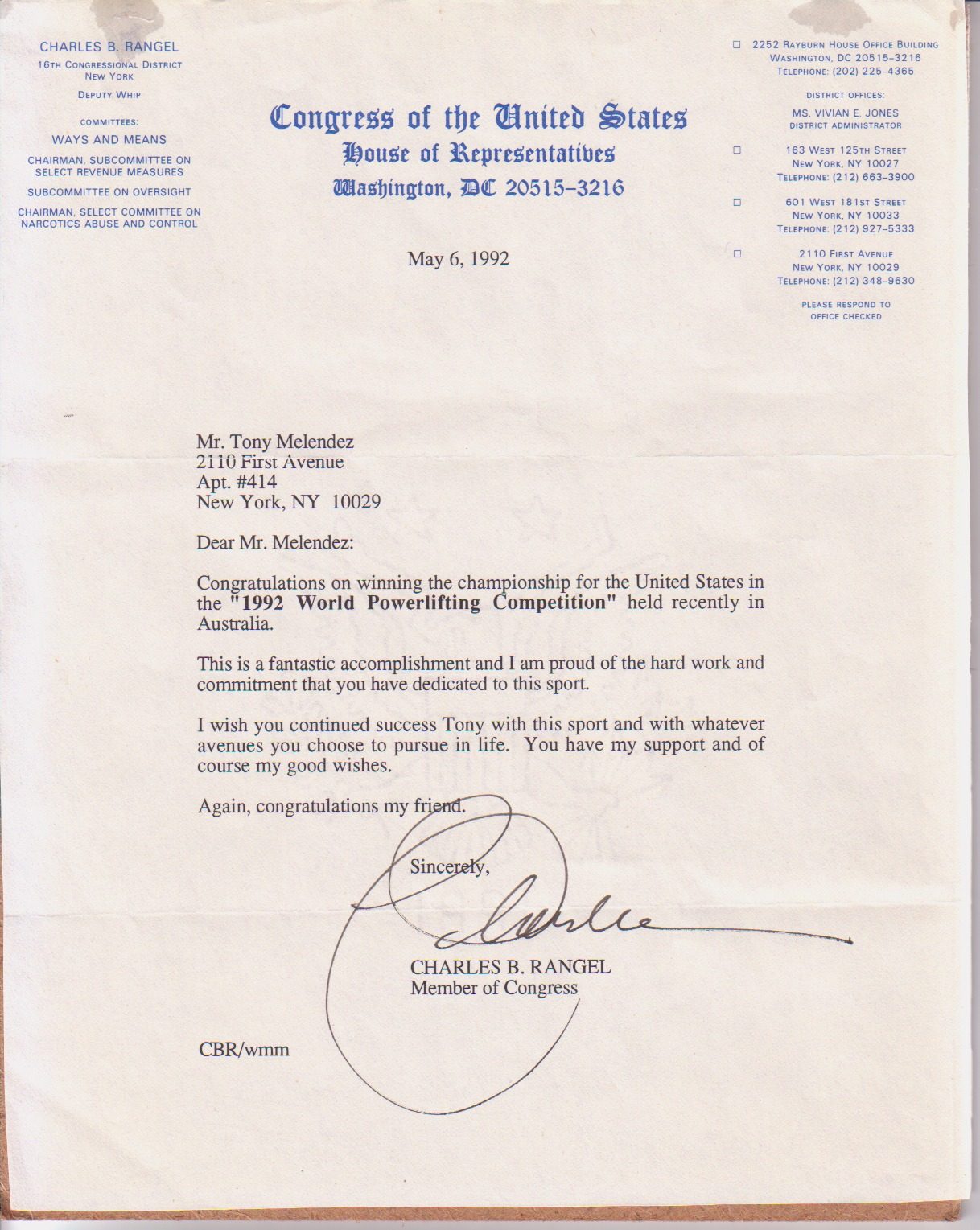
  • Letter of congratulations from CongressRepresentative Charles B. Rangel, 1992
  • Longest-serving board member in its history1199 Plaza Housing Corporation, 2010
  • Community Advisory BoardMetropolitan Hospital Center, New York
  • Ambassador of the Association of Blind Athletes of New Jersey1992
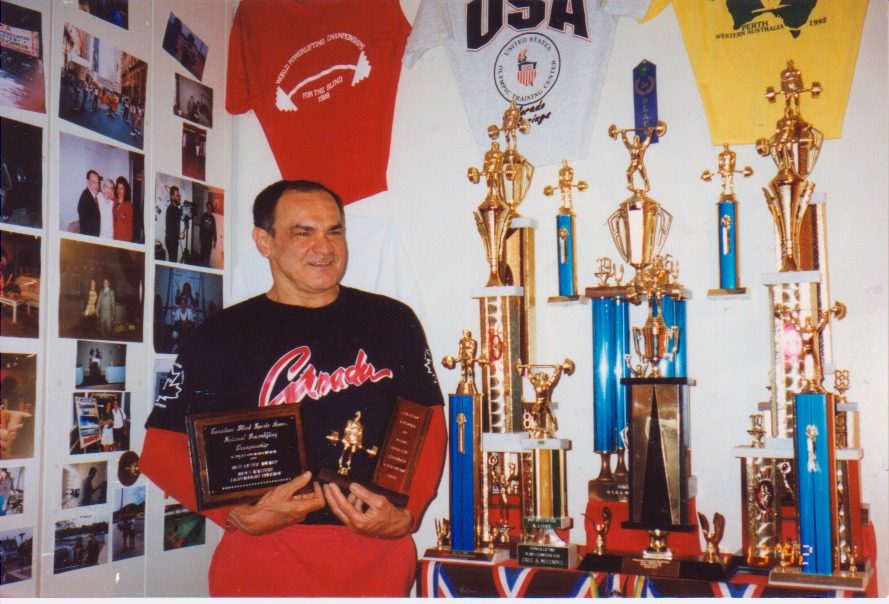
Tony holding two Ciales plaques in front of a row of tall trophies and a USA flag.
The trophy room on First Avenue.
Typed letter on Congress of the United States letterhead to Tony Meléndez, 1992.
From Congressman Charles Rangel, 1992.
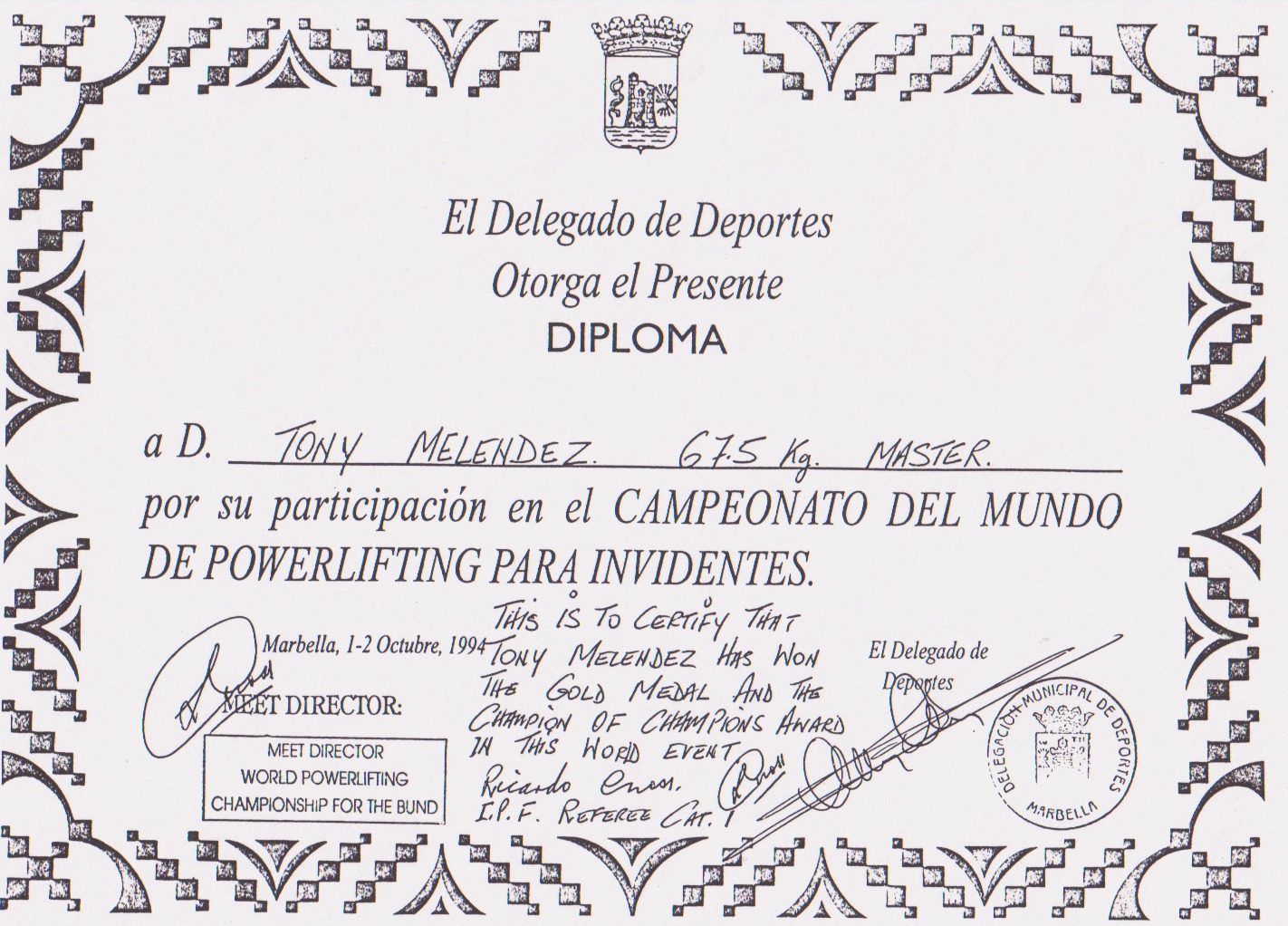
Diploma from the Marbella sports delegate for participation in the 1994 World Powerlifting Championship for the blind.
World Championship diploma, Marbella, 1994.
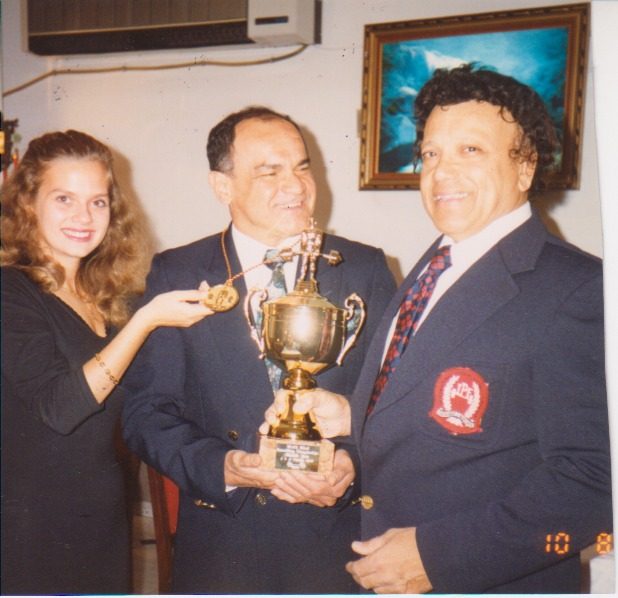
Tony in a red blazer holding a gold cup trophy, with Zobeida beside him and another man.
The cup.
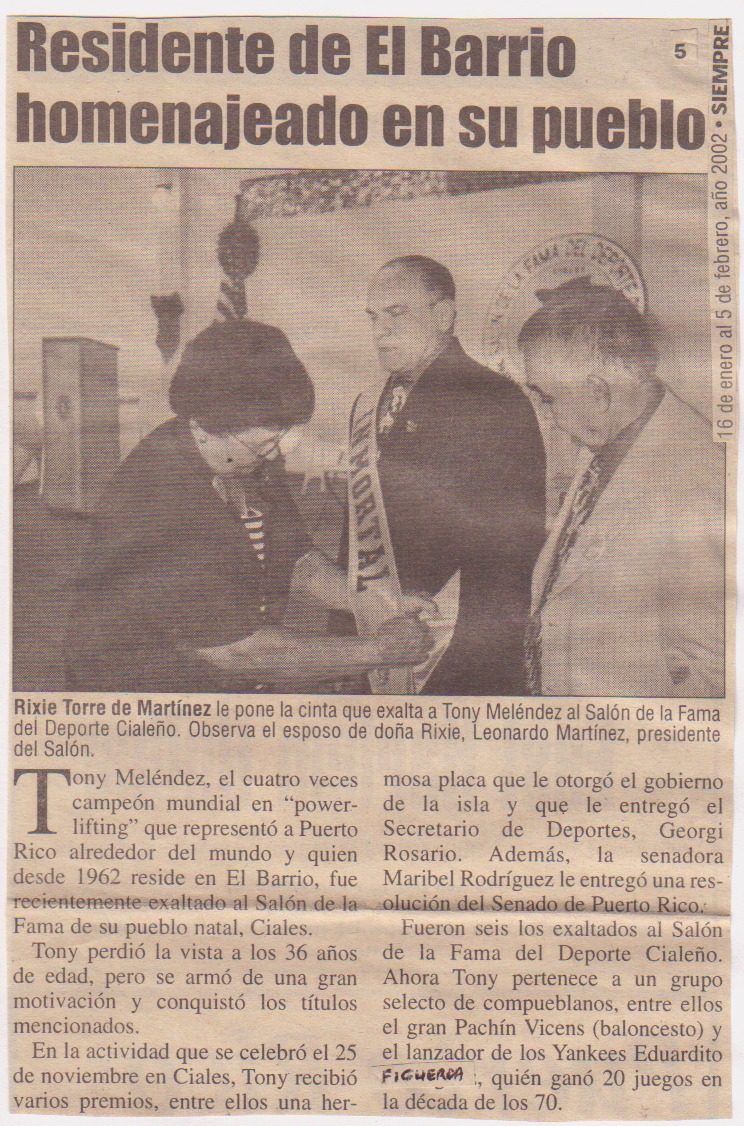
Rixie Torre de Martínez placing the Inmortal sash on Tony at the Ciales Hall of Fame ceremony.
Receiving the sash, Ciales, 2001.
Dozens of medals on red, white and blue ribbons hanging on a wall beside trophies.
Part of the medal wall at home.

In the press

A sampling of the coverage from three decades. Click any clipping to read it.

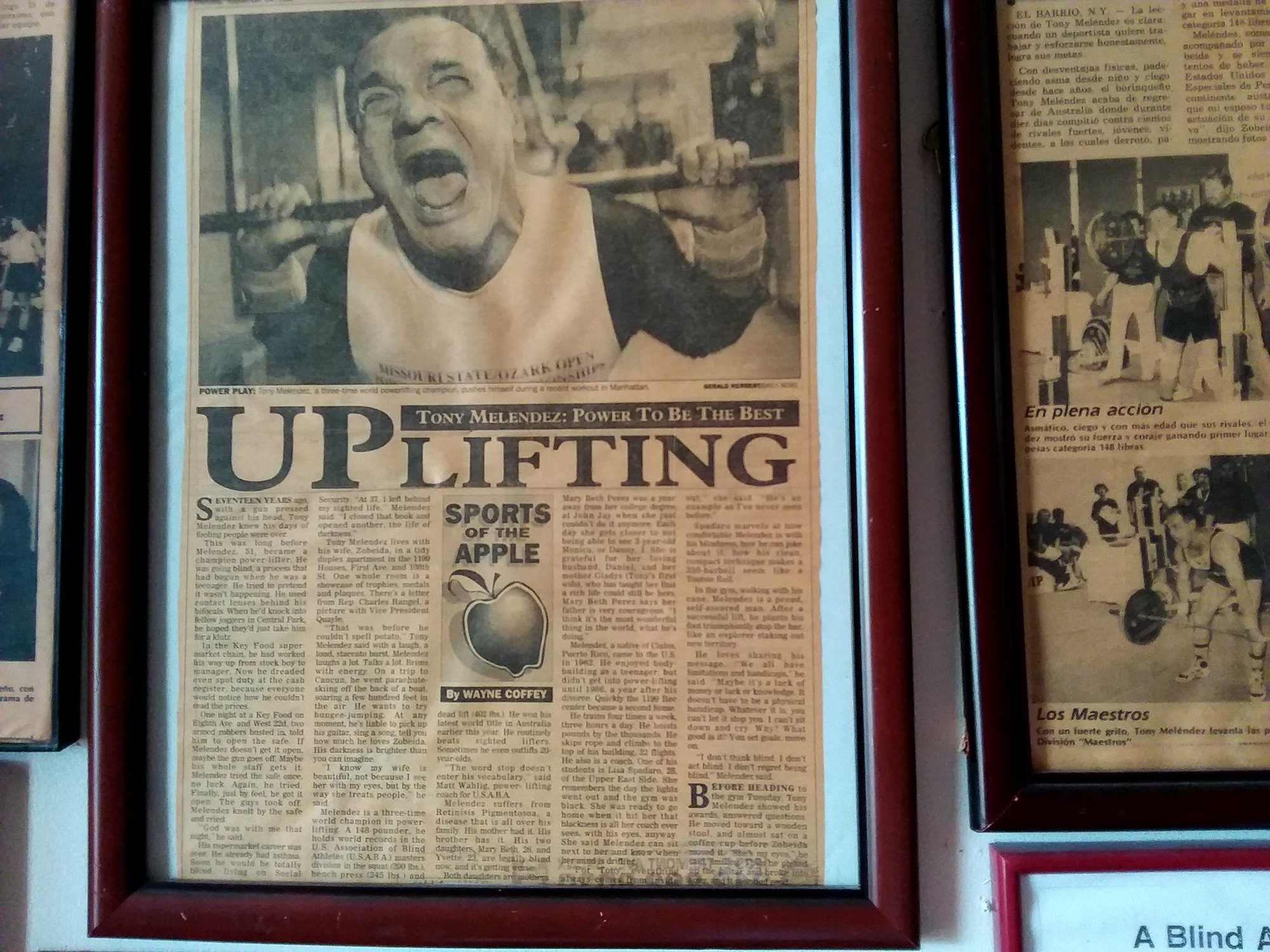
Framed New York Daily News article headlined Uplifting: Tony Melendez, Power To Be The Best, with a photo of Tony squatting.
New York Daily News — “Uplifting: Tony Melendez, Power to Be the Best,” by Wayne Coffey, 1992
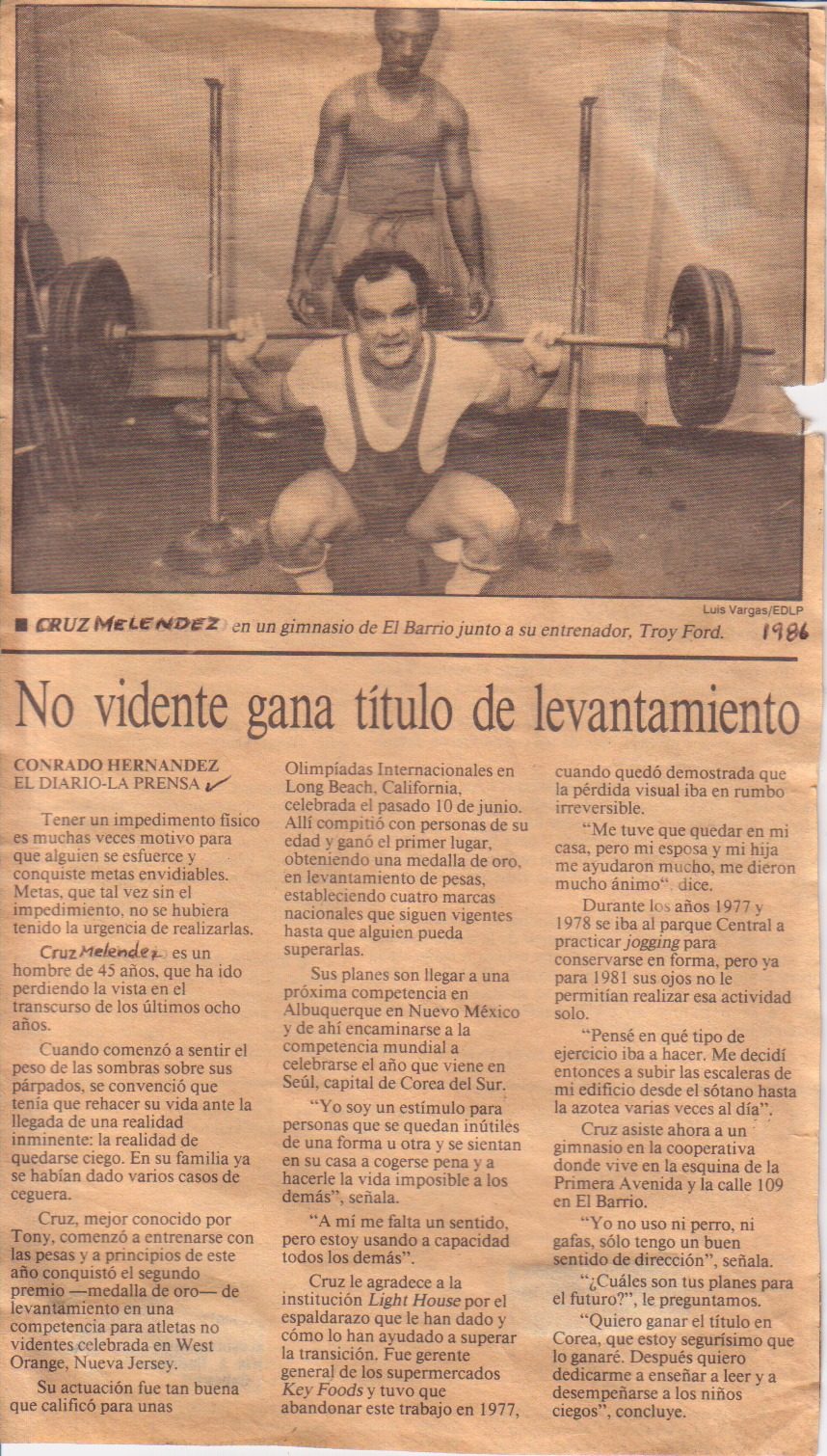
El Diario-La Prensa clipping, No vidente gana título de levantamiento, with photo of Tony squatting beside trainer Troy Ford.
El Diario-La Prensa — “No vidente gana título de levantamiento,” 1986
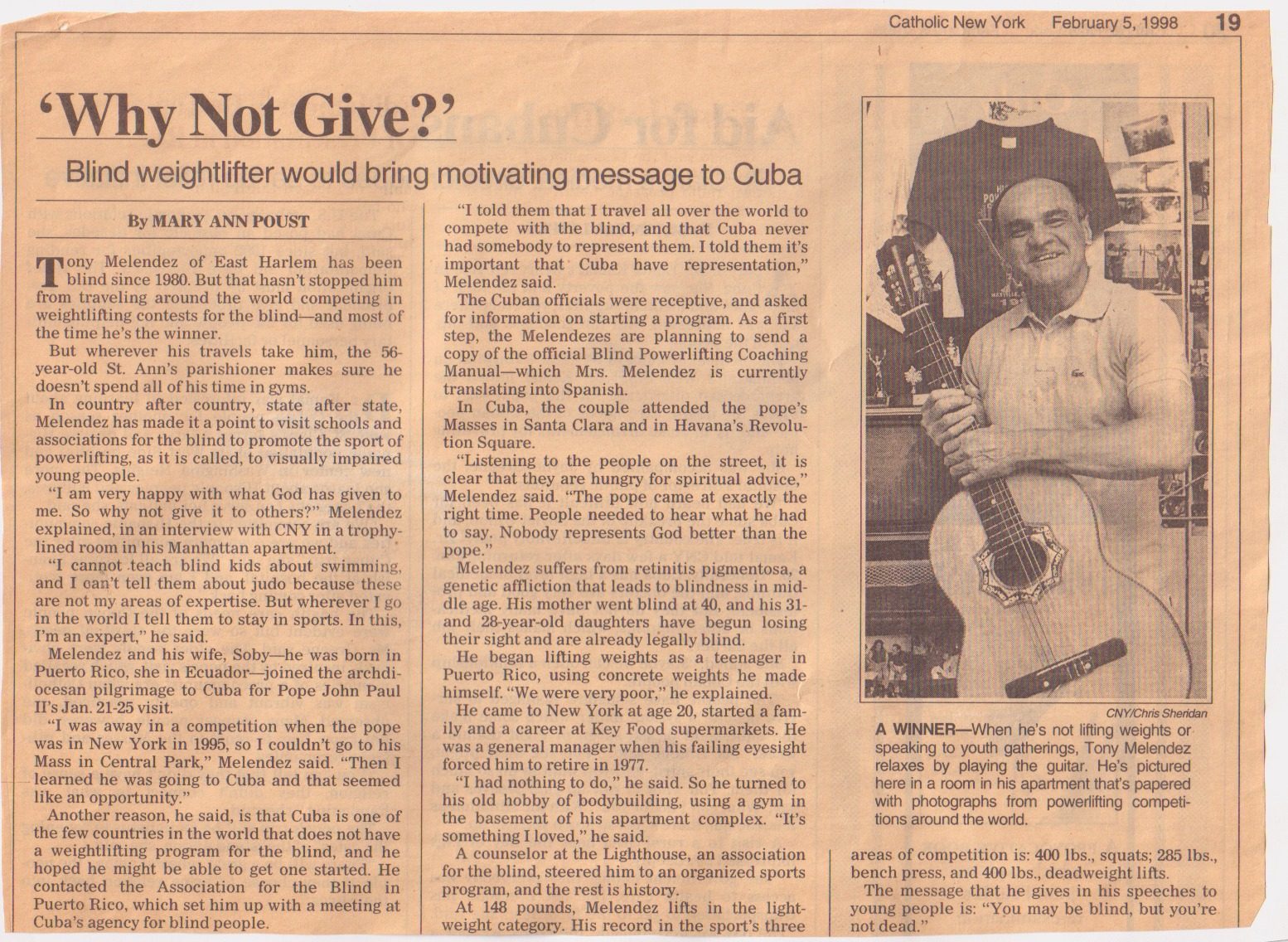
Catholic New York article, Why Not Give? Blind weightlifter would bring motivating message to Cuba, with photo of Tony holding a guitar.
Catholic New York — “‘Why Not Give?’,” by Mary Ann Poust, February 5, 1998
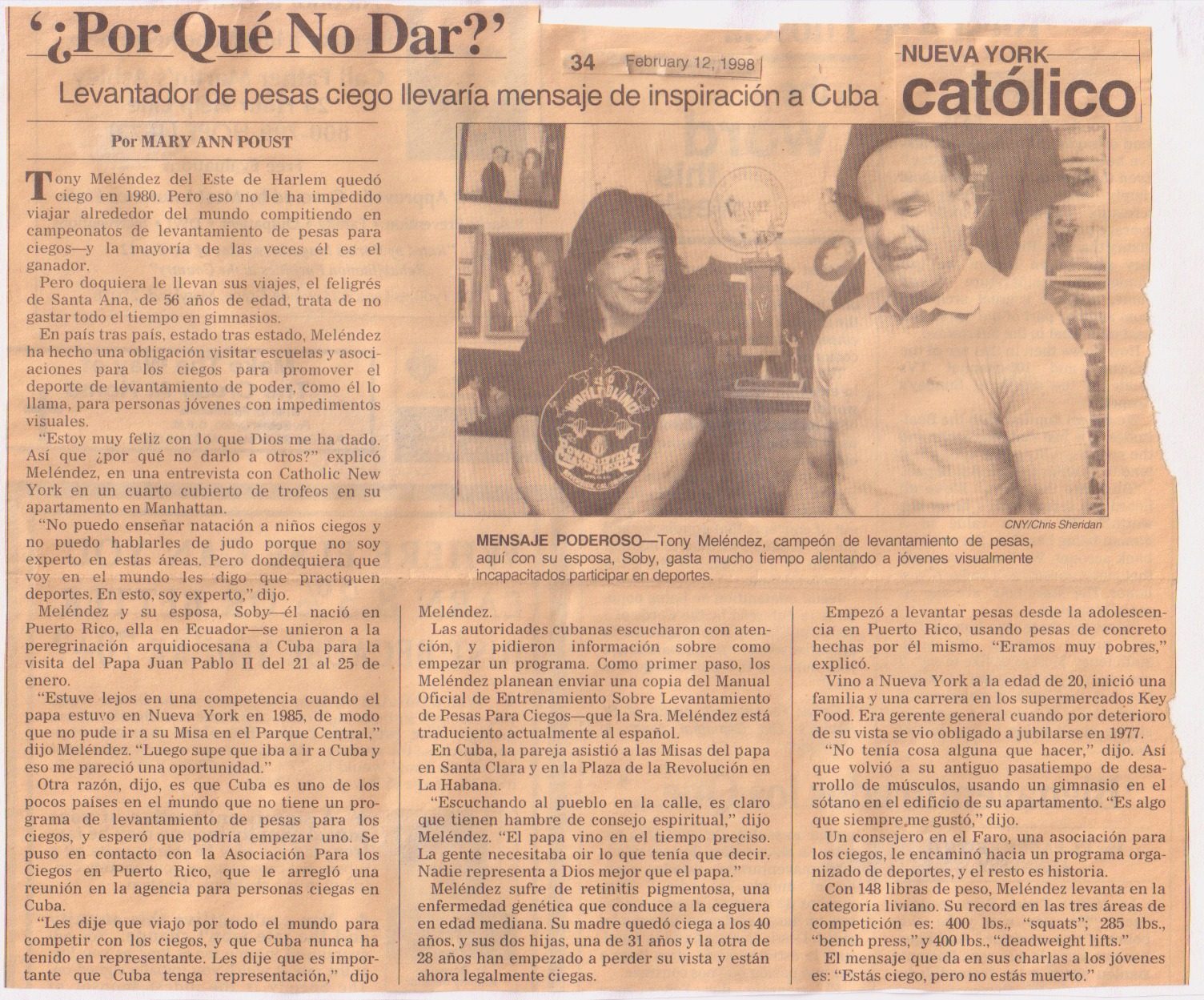
Nueva York Católico article, ¿Por Qué No Dar?, with photo of Tony and Zobeida in their trophy room.
Nueva York Católico — “¿Por Qué No Dar?,” February 12, 1998
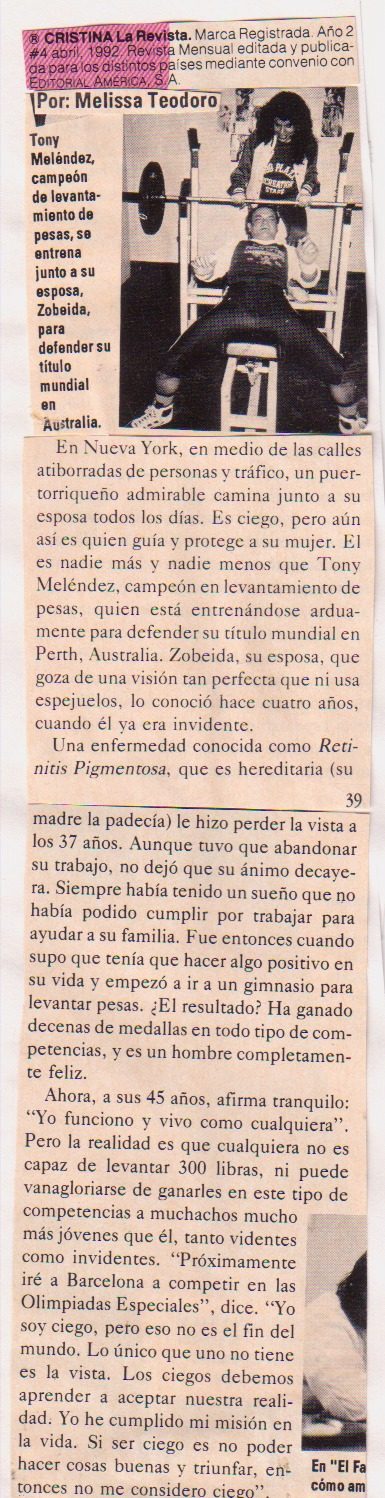
Cristina La Revista column with photo of Zobeida spotting Tony on the bench press.
Cristina La Revista — April 1992
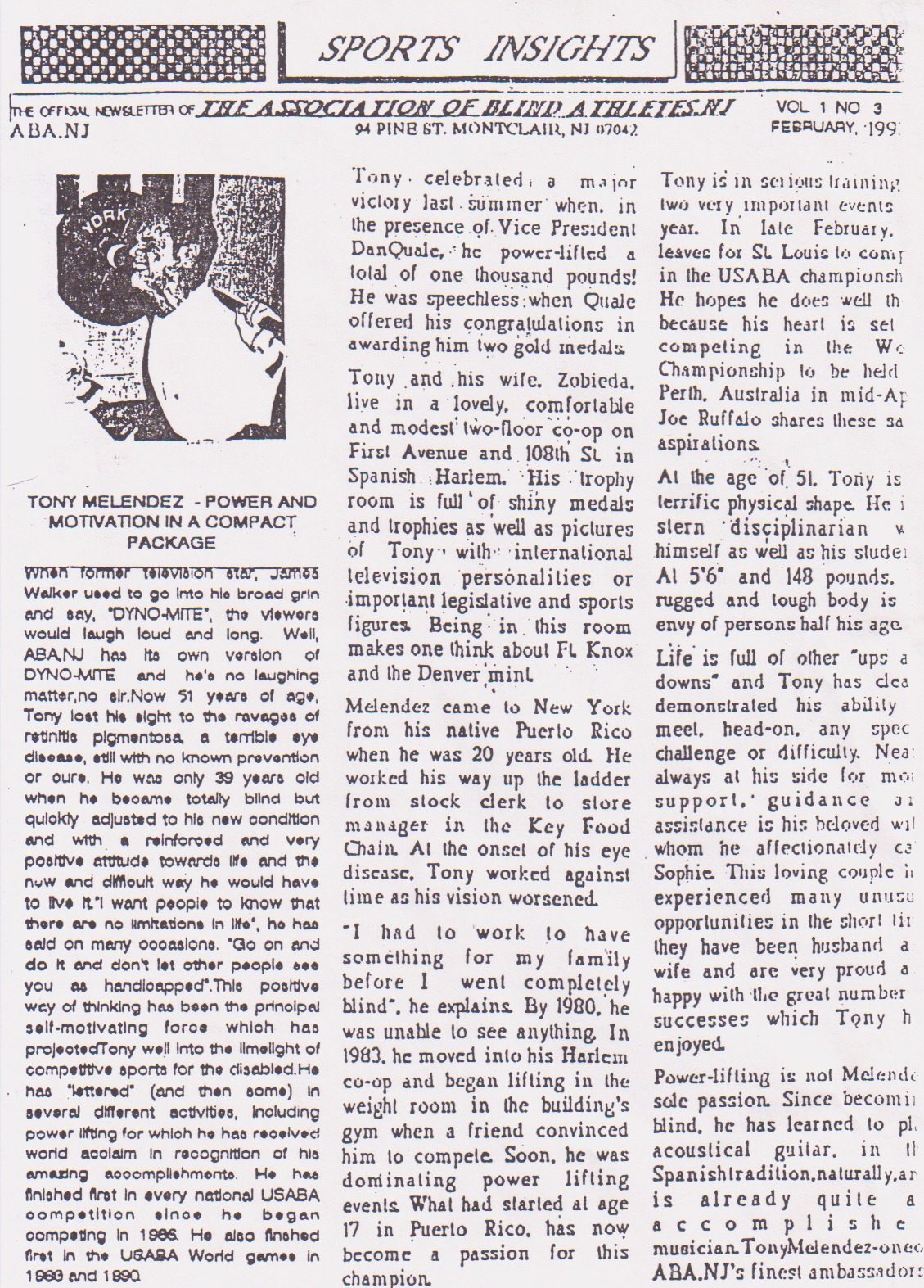
Sports Insights newsletter page: Tony Melendez, Power and Motivation in a Compact Package.
Association of Blind Athletes of New Jersey — February 1992
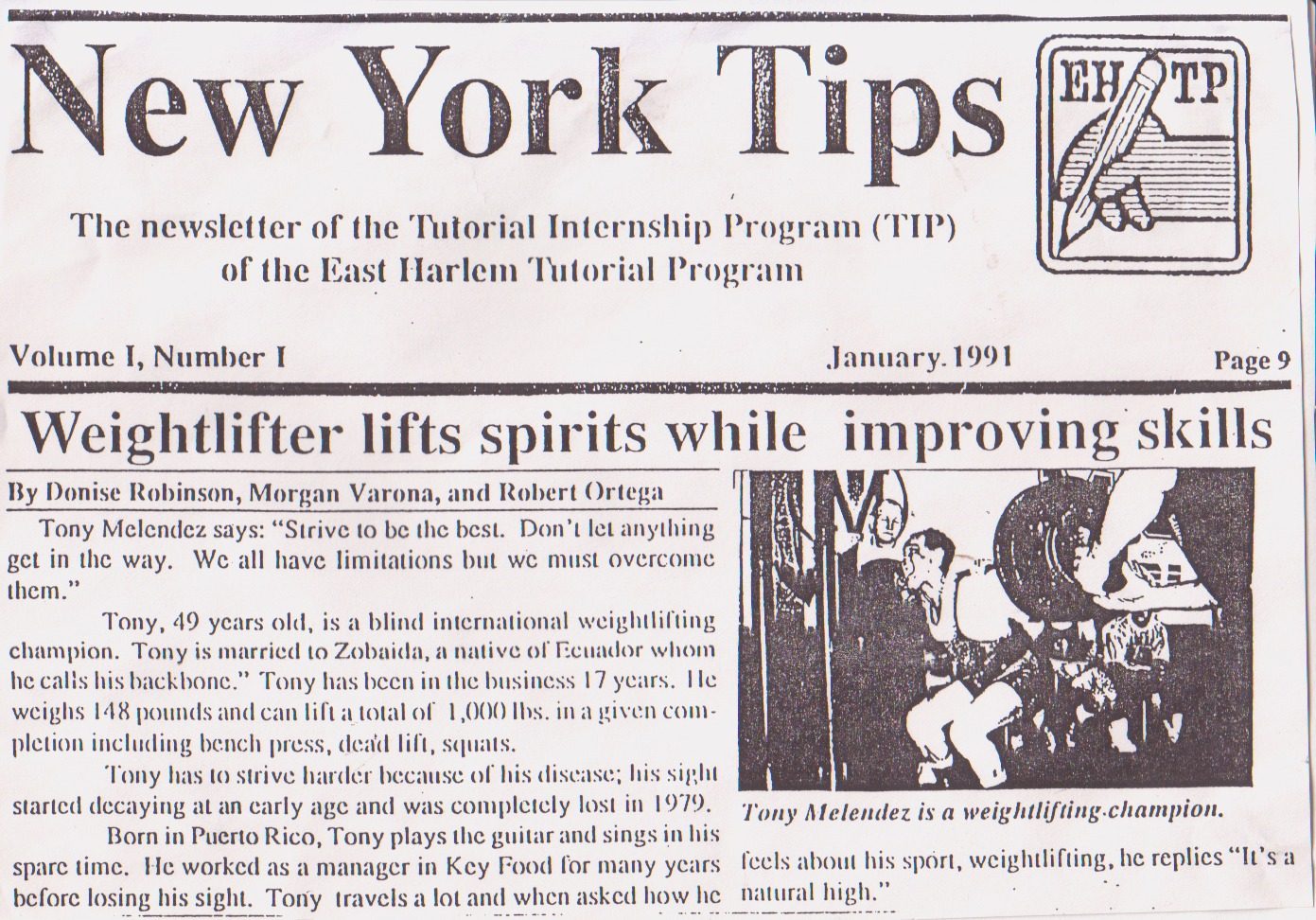
New York Tips newsletter: Weightlifter lifts spirits while improving skills.
East Harlem Tutorial Program — January 1991
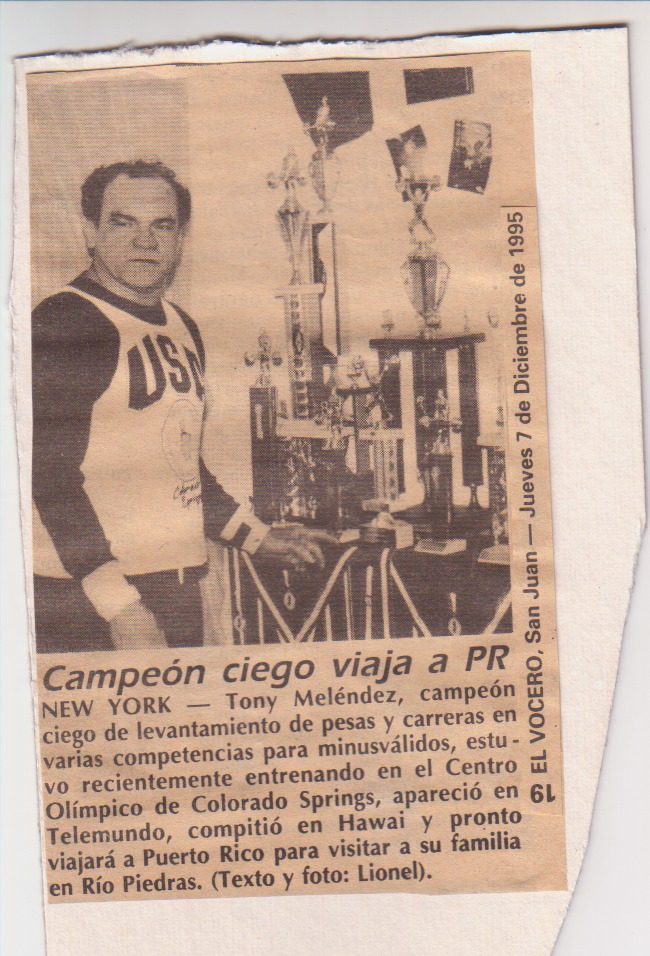
El Vocero clipping, Campeón ciego viaja a PR, with Tony in a USA sweatshirt beside trophies.
El Vocero, San Juan — December 7, 1995
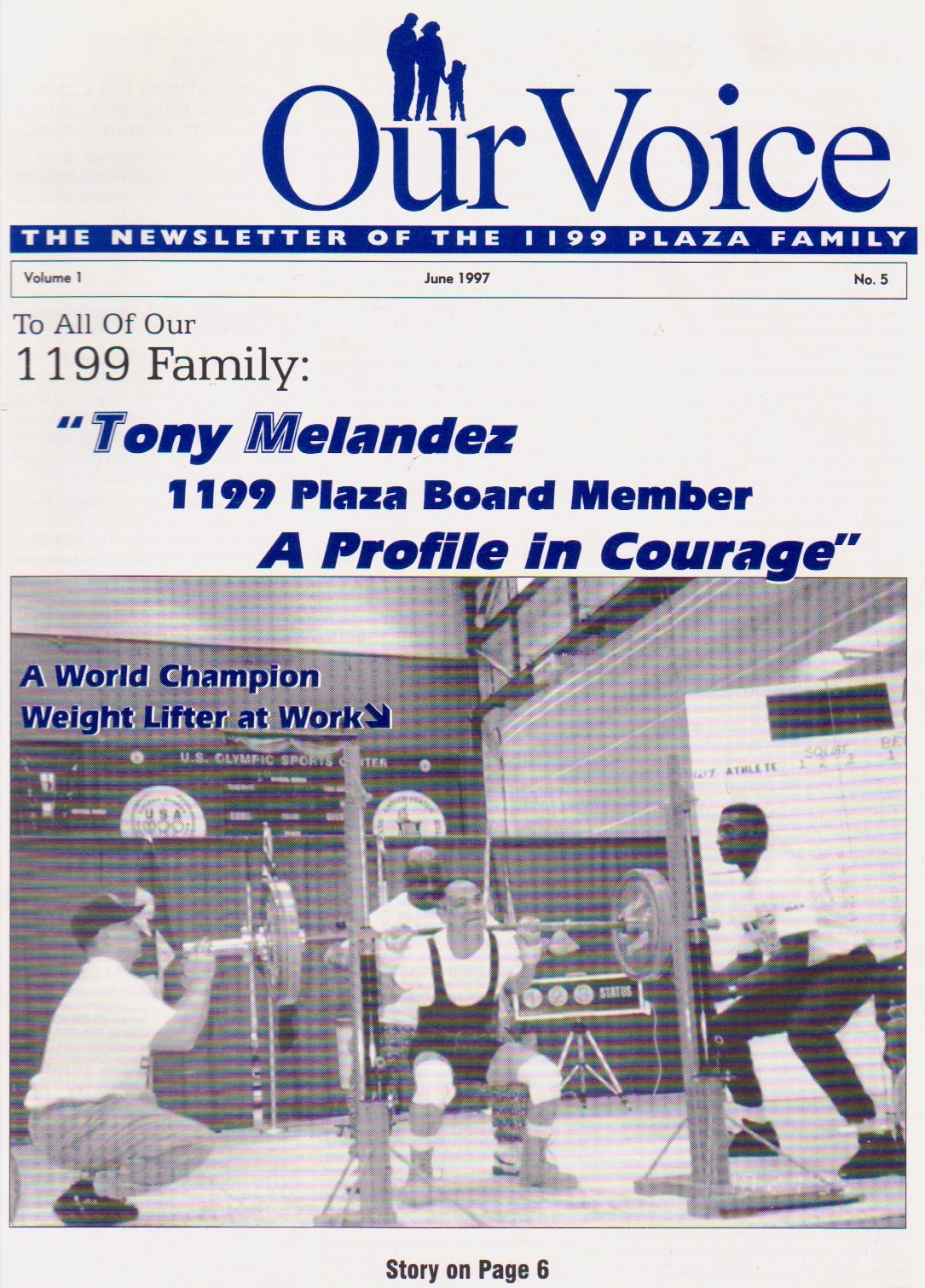
Our Voice newsletter cover: Tony Melendez, 1199 Plaza Board Member, A Profile in Courage.
Our Voice, 1199 Plaza — June 1997
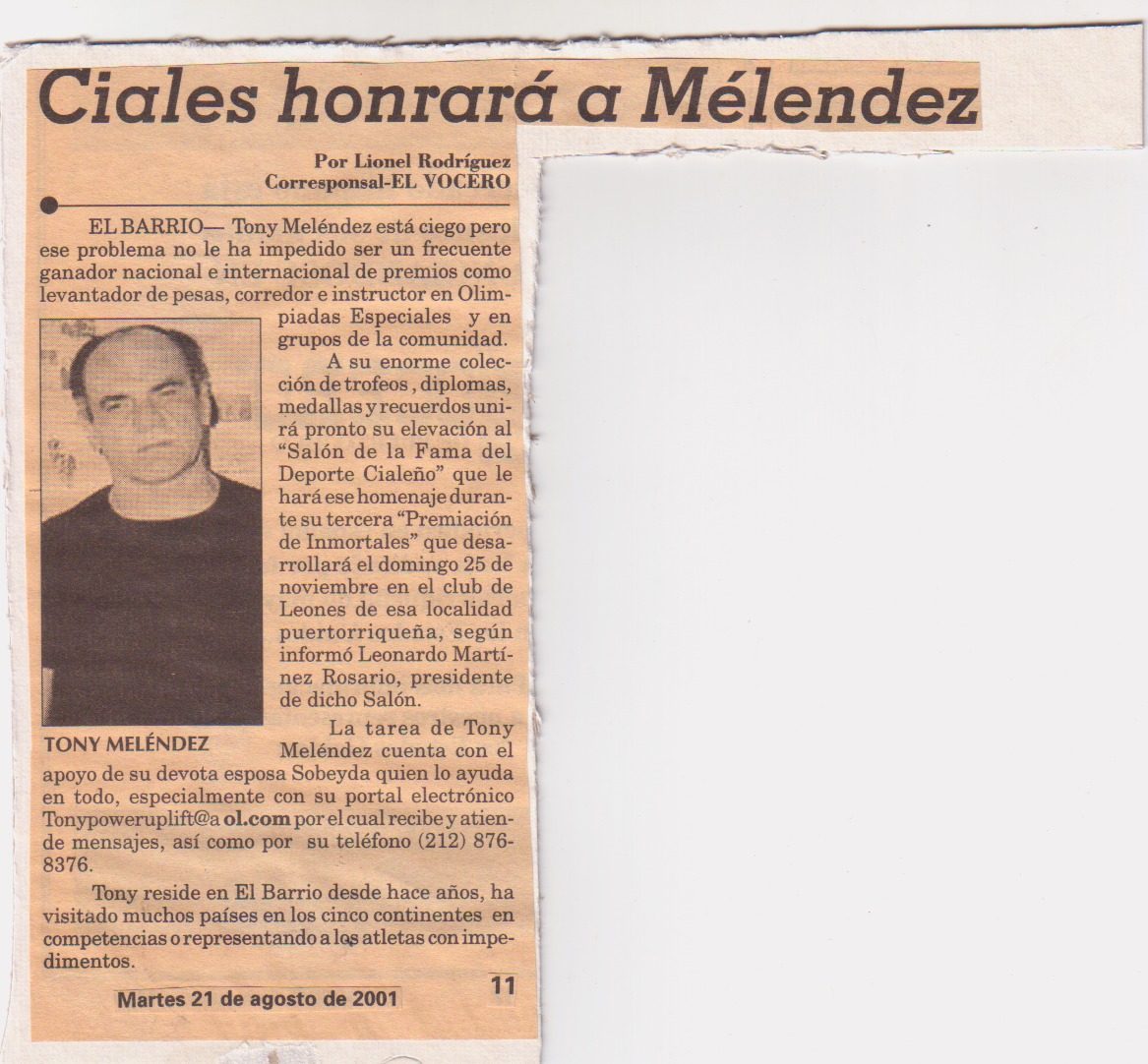
El Vocero clipping, Ciales honrará a Meléndez.
El Vocero — “Ciales honrará a Meléndez,” August 21, 2001
Siempre newspaper clipping, Residente de El Barrio homenajeado en su pueblo, with photo of the sash ceremony.
Siempre — “Residente de El Barrio homenajeado en su pueblo,” 2002
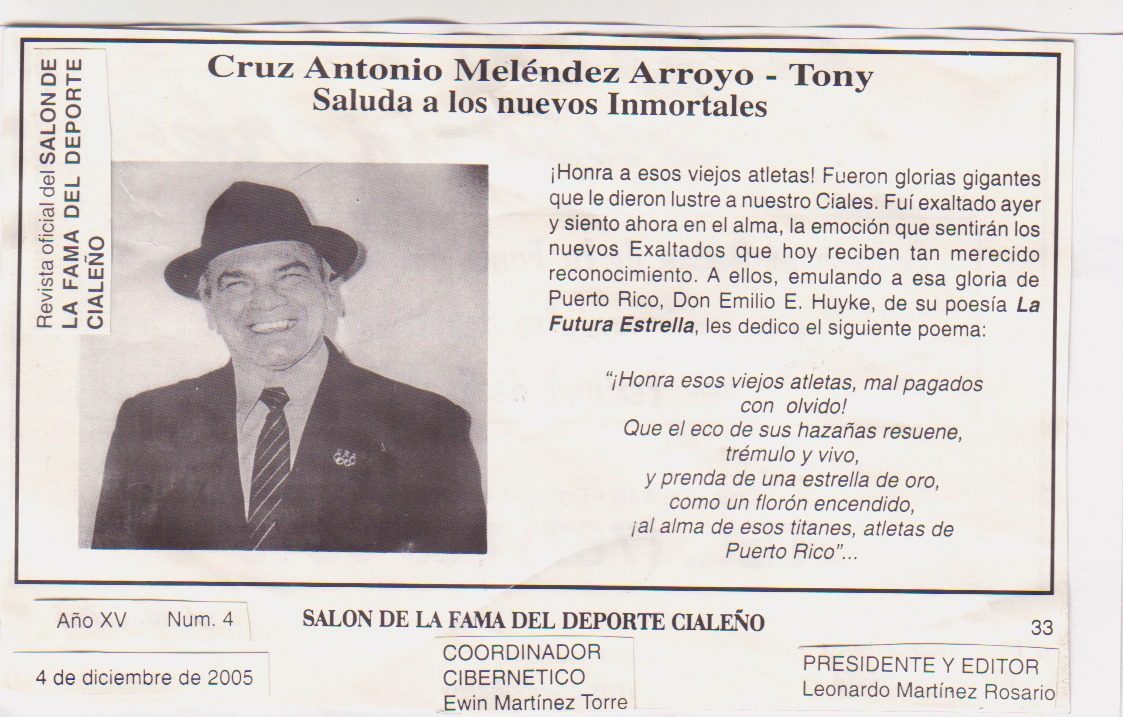
Page from the Ciales Hall of Fame magazine: Cruz Antonio Meléndez Arroyo - Tony saluda a los nuevos Inmortales.
Salón de la Fama del Deporte Cialeño — December 2005
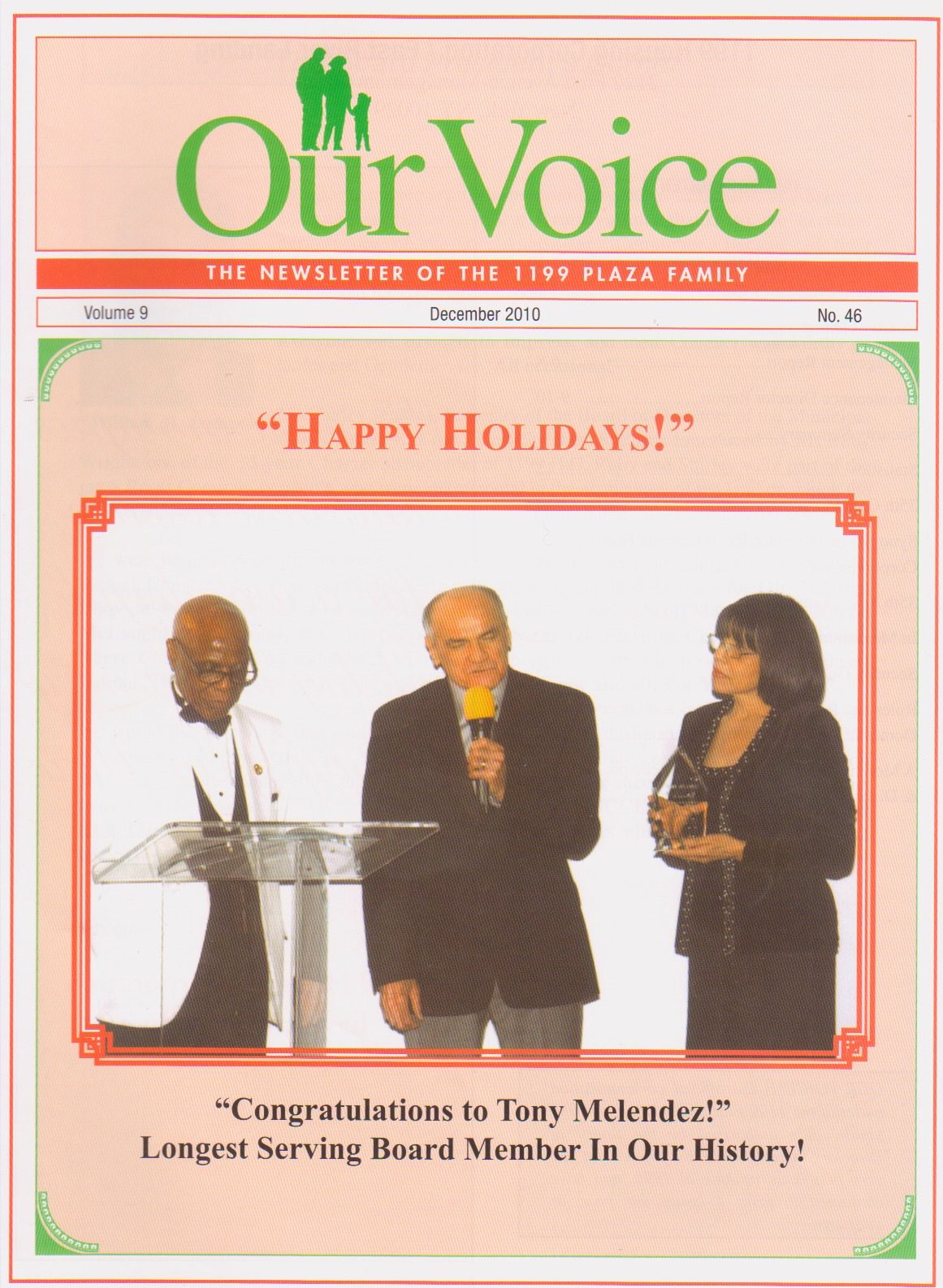
Our Voice newsletter cover, December 2010: Congratulations to Tony Melendez, Longest Serving Board Member In Our History.
Our Voice, 1199 Plaza — December 2010
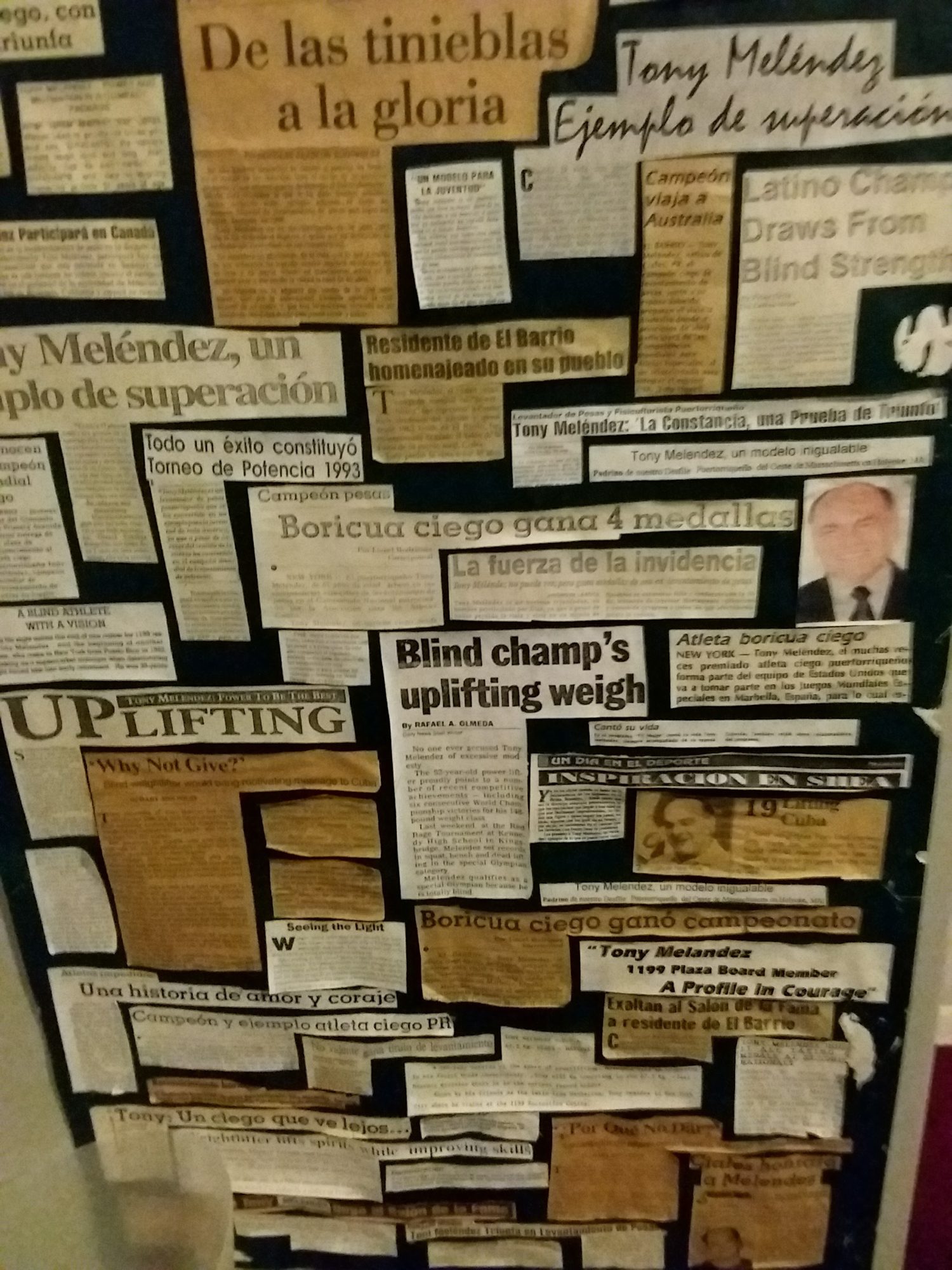
A board covered in newspaper clippings about Tony Meléndez, headed De las tinieblas a la gloria.
“From darkness to glory” — thirty years of clippings

In his words

You may be blind, but you’re not dead.

What he tells young people, Catholic New York, 1998

We all have limitations and handicaps. Maybe it’s a lack of money or lack of knowledge. It doesn’t have to be a physical handicap. Whatever it is, you can’t let it stop you. You can’t sit down and cry. Why? What good is it? You set goals, move on.

New York Daily News, 1992

It’s not the end of the world. Only your sight is missing. You function like everyone else.

Our Voice, 1997

I am very happy with what God has given to me. So why not give it to others?

Catholic New York, 1998

A mí me falta un sentido, pero estoy usando a capacidad todos los demás.

El Diario-La Prensa, 1986

Si ser ciego es no poder hacer cosas buenas y triunfar, entonces no me considero ciego.

Cristina La Revista, 1992

I feel neither blind nor disabled. God has given me everything. The sufferings I have had in my life have helped me to grow. I had falls that told me I had to get up.

Diáspora Cialeña, 2001

¡Viva Ciales!

After every winning lift